

Power BI Services: What to Expect in 2026
This guide covers what organizations should expect from Power BI consulting services in 2026, positioning the shift from IT-led analytics projects to business-aligned data capabilities.
Power BI consulting services help organizations unlock measurable business value through Microsoft’s analytics platform. Expect expert guidance on implementation, dashboard development, data integration, and user training. Consultants design custom solutions aligned with your business objectives, ensuring teams can access actionable insights independently. The best engagements combine technical expertise with strategic roadmapping, moving beyond pilots to production-ready analytics that scale across your enterprise.
As Smartbridge watched organizations adopt Power BI in 2025, we noticed a clear shift. Teams stopped treating analytics as an IT project.
They started building data capabilities that directly support decision-making. This change happened because the right consulting approach made the difference between dashboards that sit unused and insights that actually drive business outcomes.
Power BI consulting services in 2026 emphasize purposeful strategy over patchwork implementations. You’ll find consultants focusing on three areas: strategic planning that aligns analytics with business goals, technical implementation that ensures scalability, and enablement that builds internal capabilities. Power BI adoption maturity grows when organizations approach consulting as a partnership, not a transaction.
This guide covers what to expect from Power BI consulting services. We’ll examine service offerings, implementation approaches, and how to evaluate consulting partners. You’ll understand the scope of consulting engagements and what outcomes justify the investment.
What Power BI Consulting Services Deliver
Power BI consulting services encompass strategic guidance and hands-on implementation. Consultants assess your current analytics maturity, design solution architectures, and build custom dashboards that answer specific business questions.
The core service areas include implementation planning, dashboard development, data integration, training programs, and ongoing support. Each area addresses different stages of your analytics journey.
Strategic Planning and Assessment
Consultants start by understanding your business objectives. They evaluate existing data sources, identify gaps in your analytics capabilities, and create roadmaps aligned with your priorities.
This assessment phase prevents costly missteps. Organizations that skip strategic planning often build dashboards nobody uses. They connect data sources without clear business questions in mind.
Expect consultants to ask about key performance indicators, decision-making processes, and data access patterns. Self-service business intelligence requires understanding how different teams will use analytics independently.
Technical Implementation Services
Power BI implementation services handle the technical work. Consultants configure Power BI environments, establish data connections, and build data models optimized for performance.
They create reports and interactive dashboards customized for your workflows. Implementation projects typically include data warehouse integration, ETL process design, and security configuration.
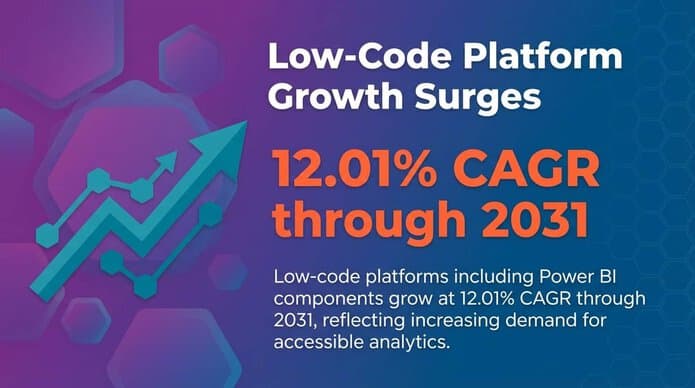
According to Mordor Intelligence’s analysis of business software markets, low-code platforms including Power BI components grow at 12.01% CAGR through 2031. This growth reflects increasing demand for platforms that balance technical capability with accessibility.
Consultants leverage Power BI Desktop for report development and Power BI Service for cloud deployment. They establish refresh schedules, configure row-level security, and optimize performance for large datasets.
Custom Dashboard Development
Power BI dashboard development transforms raw data into visual insights. Consultants design interactive visualizations that highlight trends, anomalies, and opportunities.
Dashboard development includes selecting appropriate visual types, creating calculated measures using DAX, and designing intuitive navigation. Effective dashboards answer specific questions without overwhelming users.
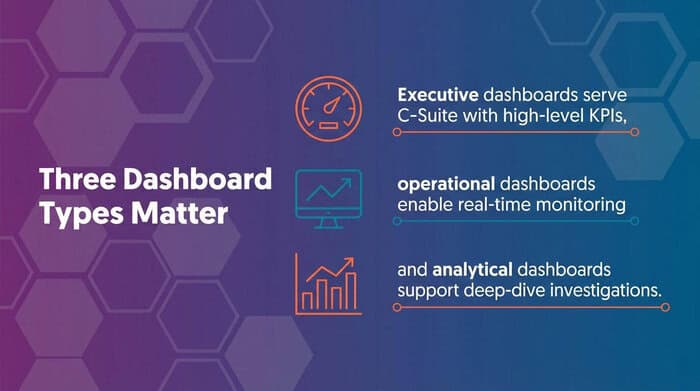
Consultants build dashboards for different audiences. Executive dashboards provide high-level KPIs. Operational dashboards enable frontline teams to monitor real-time metrics. Analytical dashboards support deep-dive investigations.
| Dashboard Type | Primary Audience | Key Characteristics |
|---|---|---|
| Executive Dashboards | C-Suite, Directors | High-level KPIs, trend summaries, strategic metrics |
| Operational Dashboards | Operations Teams | Real-time data, process monitoring, performance tracking |
| Analytical Dashboards | Analysts, Specialists | Detailed data exploration, drill-through capabilities, complex calculations |
Data Integration and ETL Services
Data integration connects Power BI to your existing systems. Consultants establish connections to databases, cloud services, and enterprise applications.
ETL processes extract data from source systems, transform it into usable formats, and load it into Power BI data models. Consultants use Power Query for data transformation and Azure Data Factory for complex ETL workflows.
Comprehensive data integration projects often include data warehouse modernization. Organizations moving from legacy systems benefit from consultants who understand both source systems and modern cloud architectures.
Data sources commonly integrated include SQL Server, Azure SQL Database, Salesforce, Dynamics 365, SharePoint, and Excel files. Consultants ensure data quality through validation rules and error handling.
Training and User Enablement
Power BI training programs build internal capabilities. Consultants teach teams how to create reports, modify dashboards, and leverage self-service analytics features.
Training typically covers three skill levels. Basic training introduces the Power BI interface and report consumption. Intermediate training teaches report creation and simple DAX calculations. Advanced training covers complex data modeling and performance optimization.
Effective training includes hands-on exercises using your actual data. Generic training sessions produce limited adoption. Training that uses real business scenarios creates immediate value.
Power BI Implementation Approaches
Now that you understand service offerings, implementation methodology determines project success. Consultants use structured approaches that balance speed with sustainability.
Implementation approaches vary based on organizational maturity and project scope. Small teams might start with rapid deployments. Enterprise organizations require phased rollouts with extensive governance.
Assessment and Discovery Phase
Consultants begin with discovery. They document current data architecture, interview stakeholders, and identify quick wins alongside long-term objectives.
This phase produces implementation roadmaps. Roadmaps prioritize initiatives based on business value and technical complexity. They outline resource requirements, timelines, and success metrics.
Expect consultants to evaluate data quality during discovery. Poor data quality undermines analytics initiatives. Organizations often need data cleansing before Power BI implementation delivers value.
Proof of Concept Development
Many engagements start with proof of concept projects. Consultants build limited-scope dashboards that demonstrate Power BI capabilities using your data.
Proof of concept projects typically complete in 2-4 weeks. They validate technical approaches and generate stakeholder buy-in. Successful proofs become foundations for broader implementations.
The key is moving from proof of concept to production. Organizations that remain in pilot mode miss the value of scaled analytics. Consultants should outline clear paths from proof to production deployment.
Production Implementation
Production implementation builds enterprise-grade solutions. Consultants establish data refresh schedules, implement security policies, and configure disaster recovery.
End-to-end implementation projects include data migration, report development, and user training. They address technical requirements and organizational change management.
According to Statista’s analysis of cloud infrastructure market share, dominant providers including Microsoft hold significant positions as of Q4 2025. This infrastructure supports Power BI’s cloud-based analytics capabilities.
Production deployments include monitoring and optimization. Consultants establish performance baselines and create processes for ongoing maintenance.
Adoption and Support Strategy
Power BI support services ensure sustained value. Consultants create support models that balance self-service capabilities with expert assistance.
Support typically includes user helpdesk services, performance monitoring, and report maintenance. Organizations need clear escalation paths when users encounter issues.
The most effective support models emphasize user empowerment. Consultants document common tasks, create knowledge bases, and train power users who can assist colleagues.
Microsoft Power Platform Integration
With implementation approaches established, understanding Power Platform integration reveals additional capabilities. Power BI doesn’t exist in isolation within Microsoft’s ecosystem.
The Power Platform includes Power BI, Power Apps, Power Automate, and Power Virtual Agents. Integration across these tools creates connected workflows that extend analytics value.
Power Apps Integration
Power Apps enables users to build custom applications that write data back to sources Power BI visualizes. This creates closed-loop processes where insights trigger action.
Consultants design integrated solutions where Power BI dashboards surface opportunities and Power Apps enable responses. For example, dashboards might highlight inventory shortages while Power Apps facilitate reorder requests.
Embedding Power BI reports in Power Apps provides analytics within workflow applications. Users access insights without switching between tools.
Power Automate Workflows
Power Automate creates automated workflows triggered by data conditions. Consultants configure alerts when dashboard metrics exceed thresholds.
Common automation scenarios include report distribution, data refresh notifications, and approval workflows. Power Automate connects Power BI to email, Teams, and other collaboration tools.
These automations reduce manual monitoring. Teams receive proactive notifications instead of constantly checking dashboards.
Microsoft Fabric Capabilities
Microsoft Fabric represents the latest evolution in Microsoft’s analytics platform. According to Microsoft’s Partner Center announcements from February 2026, Fabric and Partner Center updates support Power BI scalability and integrations.
Fabric provides unified data storage, data engineering, and analytics capabilities. Consultants leverage Fabric for data lakehouse architectures that support both Power BI and other analytics tools.
Organizations moving to Fabric benefit from consultants who understand migration strategies. Fabric changes how data models are built and maintained.
Data Analytics and Visualization Capabilities
Beyond platform integration, specific analytics capabilities determine what insights your organization can generate. Power BI consulting services unlock advanced analytics features many organizations underutilize.
Data visualization transforms numbers into understanding. Business intelligence solutions deliver value when visualizations answer questions clearly and enable confident decisions.
Interactive Report Features
Interactive reports enable users to explore data independently. Consultants implement drill-through pages, cross-filtering, and dynamic parameters that adjust visualizations based on user selections.
These features support self-service analytics. Users answer follow-up questions without creating new reports. They filter data to their specific contexts.
Effective interactive reports balance flexibility with simplicity. Too many options overwhelm users. Consultants design intuitive navigation that guides exploration.
Advanced Analytics Integration
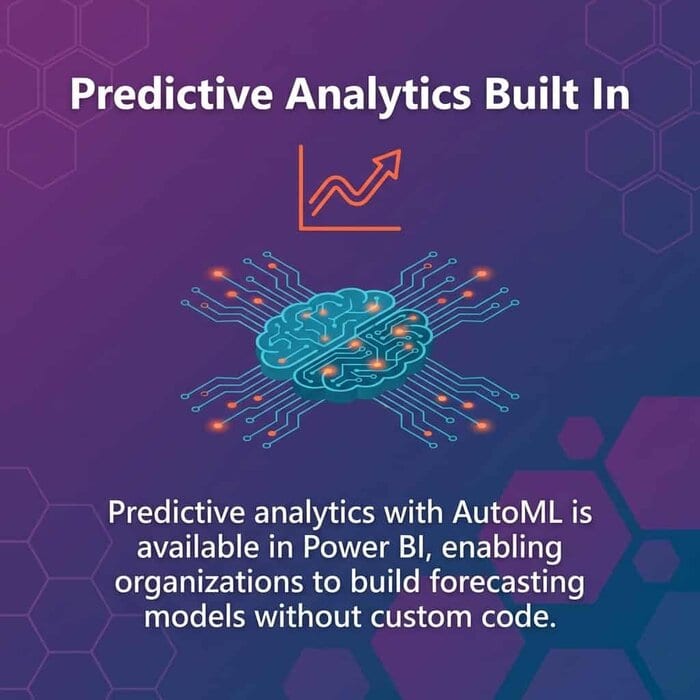
Power BI includes advanced analytics capabilities. According to industry analysis of AI technology adoption, predictive analytics with AutoML is available in Power BI.
Consultants implement predictive models using Power BI’s built-in AI capabilities. These include forecasting, key influencers analysis, and anomaly detection.
Advanced analytics also includes R and Python integration. Organizations with data science teams can embed custom models in Power BI reports.
Real-Time Analytics
Real-time dashboards display current operational data. Consultants configure streaming datasets and DirectQuery connections that refresh continuously.
Real-time capabilities serve monitoring use cases. Manufacturing operations track production metrics. Retail organizations monitor point-of-sale data. Healthcare teams follow patient flow.
The tradeoff involves performance considerations. Real-time queries require optimized data sources and careful query design.
| Analytics Capability | Business Application | Implementation Consideration |
|---|---|---|
| Predictive Forecasting | Demand planning, budget projections | Requires historical data patterns |
| Anomaly Detection | Quality control, fraud detection | Needs baseline establishment period |
| Real-Time Monitoring | Operations tracking, live KPIs | Demands optimized data sources |
Consulting Approach and Methodology
Understanding technical capabilities leads to evaluating consulting methodology. How consultants approach projects matters as much as what they deliver.
The Power BI consulting approach should emphasize partnership over vendor relationships. Build with purpose, not patchwork. Organizations benefit from consultants who understand business context, not just technical features.
Discovery and Requirements Gathering
Thorough discovery prevents misaligned solutions. Consultants interview stakeholders across business units to understand diverse analytics needs.
They document current pain points, desired capabilities, and success criteria. Effective requirements gathering identifies not just what stakeholders request, but what they actually need.
This distinction matters. Stakeholders might request specific chart types when underlying data quality issues prevent any visualization from being useful. Good consultants surface root causes.
Agile Implementation Model
Agile methodologies work well for Power BI projects. Consultants deliver working dashboards in sprints, gathering feedback and adjusting priorities.
This iterative approach produces better outcomes than waterfall methods. Users see value quickly and provide input while solutions remain flexible.
Expect consultants to organize work in two-week sprints. Each sprint delivers functional improvements. This maintains momentum and demonstrates progress.
Change Management and Adoption
Technical implementation alone doesn’t ensure adoption. Consultants address change management by involving users early and communicating benefits clearly.
Change management includes identifying champions within business units. These advocates promote adoption and provide peer support.
Consultants should measure adoption through usage metrics. Which reports get viewed? Which features remain unused? Data-driven adoption strategies adjust based on actual behavior.
Industry-Specific Power BI Solutions
With methodology understood, industry context shapes specific implementations. Power BI consulting services adapt to industry requirements, regulations, and workflows.
Vertical expertise matters. Consultants who understand your industry deliver solutions faster and anticipate requirements others miss.
Manufacturing Analytics
Manufacturing organizations use Power BI for production monitoring, quality control, and supply chain analytics. Consultants integrate data from ERP systems, MES platforms, and IoT sensors.
Common manufacturing dashboards track overall equipment effectiveness, defect rates, and inventory turns. Real-time production monitoring enables rapid response to issues.
Manufacturing implementations often include predictive maintenance analytics. Consultants build models that forecast equipment failures based on operational data.
Healthcare and Life Sciences
Healthcare organizations face strict data governance requirements. Power BI consultants implement row-level security that ensures users only access appropriate patient data.
Life sciences companies use Power BI for clinical trial analytics, R&D insights, and commercial operations. Consultants integrate scientific data systems with operational platforms.
Compliance drives many healthcare requirements. Consultants ensure audit trails, access controls, and data retention policies meet regulatory standards.
Financial Services Applications
Financial services leverage Power BI for risk analytics, performance reporting, and customer insights. Data integration often includes core banking systems, trading platforms, and CRM tools.
Financial dashboards require precision. Consultants implement calculations that match regulatory reporting requirements and audit standards.
Real-time market data integration enables portfolio monitoring and trading analytics. Consultants configure streaming datasets that update as market conditions change.
Retail and E-Commerce
Retail organizations analyze sales patterns, inventory performance, and customer behavior. Consultants integrate point-of-sale systems, e-commerce platforms, and marketing tools.
Retail dashboards typically include store performance comparisons, product affinity analysis, and promotional effectiveness. Location-based analytics help optimize store operations.
E-commerce implementations focus on customer journey analytics. Consultants track conversion funnels, cart abandonment, and channel attribution.
Selecting Power BI Consulting Partners
Having examined industry applications, choosing the right consulting partner determines project outcomes. Not all Power BI consultants deliver equivalent value.
Selection criteria should emphasize proven experience, strategic thinking, and partnership approach. Digital innovation is a journey, not a race. The right partner understands this.
Evaluating Technical Expertise
Technical expertise includes Power BI features and surrounding Microsoft technologies. Look for consultants with Microsoft certifications and demonstrated experience across Power Platform tools.
Ask about data modeling approaches, performance optimization techniques, and complex calculation experience. Technical interviews reveal depth of knowledge.
Review example dashboards and reports. Quality work shows thoughtful design, not just feature usage. Effective visualizations communicate clearly without unnecessary complexity.
Industry Experience Assessment
Industry experience accelerates implementations. Consultants familiar with your sector understand common data sources, regulatory requirements, and business metrics.
Request references from similar organizations. Ask about challenges encountered and how consultants addressed them. Industry-specific case studies demonstrate relevant expertise.
Vertical knowledge matters more for regulated industries. Healthcare and financial services have compliance requirements that generic consultants might miss.
Strategic Partnership Qualities
The best consulting relationships function as partnerships. Consultants should ask about business objectives, not just technical requirements.
Evaluate consulting approach during initial conversations. Do they ask strategic questions? Do they challenge assumptions? Partners provide honest guidance, not just agreement.
Long-term relationships deliver more value than one-off projects. Look for consultants who emphasize knowledge transfer and internal capability building.
Support and Maintenance Models
Power BI support requirements continue after implementation. Evaluate support models during consultant selection.
Support options range from hourly on-demand assistance to comprehensive managed services. Consider your internal technical capabilities when choosing support levels.
Maintenance includes content updates, performance tuning, and feature enhancements. Consultants should provide clear service level agreements for support response times.
Power BI Consulting ROI and Business Value
Selection criteria established, understanding return on investment justifies consulting investments. Power BI consulting services should deliver measurable business value.
Business intelligence solutions impact decision speed, operational efficiency, and strategic clarity. According to Fortune Business Insights’ digital transformation research, data-driven decisions via BI tools like Power BI support revenue growth in digital transformation contexts.
Efficiency Gains
Analytics automation eliminates manual reporting work. Teams that previously spent hours compiling Excel reports redirect effort to analysis and action.
Self-service capabilities reduce IT bottlenecks. Business users answer their own questions without submitting report requests. This accelerates decision-making.
Measure efficiency gains through time saved and report creation reduction. Track how quickly teams access needed insights compared to previous processes.
Decision Quality Improvement
Better information enables better decisions. Power BI surfaces insights that remain hidden in disconnected systems.
Organizations report improved strategic planning, resource allocation, and risk management. Dashboards that highlight trends early enable proactive responses.
Decision quality is harder to quantify than efficiency. Track outcomes of major decisions influenced by new analytics capabilities.
Competitive Advantage
Digital maturity creates competitive advantage. Organizations that leverage data effectively outpace competitors still relying on intuition.
Analytics enable faster market response, better customer targeting, and operational optimization. These capabilities compound over time.
Competitive advantage manifests in market share gains, customer retention, and profitability improvements. Link analytics initiatives to strategic business metrics.
Getting Started with Power BI Consulting
You now understand what Power BI consulting services deliver and how to evaluate partners. Getting started requires clear planning and realistic expectations.
Successful engagements begin with defined objectives. Know what business questions you need answered. Understand which teams will use analytics and how decisions currently get made.
Start with focused projects that demonstrate value quickly. Pilot initiatives build momentum and justify broader investments. Choose use cases where data quality is strong and stakeholders are engaged.

Prepare for partnership. Consulting works best when internal teams actively participate. Allocate time for requirements discussions, feedback sessions, and training.
Power BI consulting services in 2026 emphasize building analytics capabilities that scale. The right partner helps you move from experimentation to dependable insights that drive business outcomes. Chart your path with consultants who understand that purposeful analytics strategies deliver lasting competitive advantage.