Getting More From Existing Oil Wells
How Digital Execution Supports Longer Asset Life and Better Performance
Learn how oil and gas companies can get more from existing wells by using data, AI, and automation to improve recovery, optimize capacity, and strengthen field execution.
Oil and gas growth does not always come from new acreage, new wells, or major capital projects. In many cases, the near-term opportunity is already in the field. Existing wells, facilities, networks, crews, and service programs still hold value, but capturing that value requires better visibility, faster decisions, and more consistent execution.
That is why “Getting More From Existing Wells” is such an important trend for upstream, midstream, and oilfield services companies. The goal is not simply to produce more. It is to improve recovery, extend asset life, match infrastructure to changing flows, and optimize the field work needed to keep production moving safely and efficiently.
Digital tools play a major role in this shift. Data integration, AI, automation, analytics, and modern field applications can help teams understand where performance is slipping, where risk is building, and where action will have the greatest operational impact. For energy companies, this creates a path to stronger reliability, better resource utilization, and more value from the assets already in place.
Smartbridge helps oil and gas organizations modernize operations through data and analytics, AI, automation, application development, and digital transformation. Across upstream, midstream, and oilfield services, these capabilities can help companies move from reactive decision-making to a more connected, performance-driven operating model. Smartbridge’s energy practice highlights solutions across AI-driven production optimization, ESG tracking, asset analytics, and order-to-cash optimization.
Upstream: Improve Recovery and Extend Well Asset Life
For upstream operators, getting more from existing wells starts with better production intelligence. Mature wells often require closer monitoring, more careful intervention planning, and faster detection of the issues that can reduce output or shorten asset life. Small changes in pressure, flow, chemical performance, downtime, or operating conditions can have a meaningful impact over time.
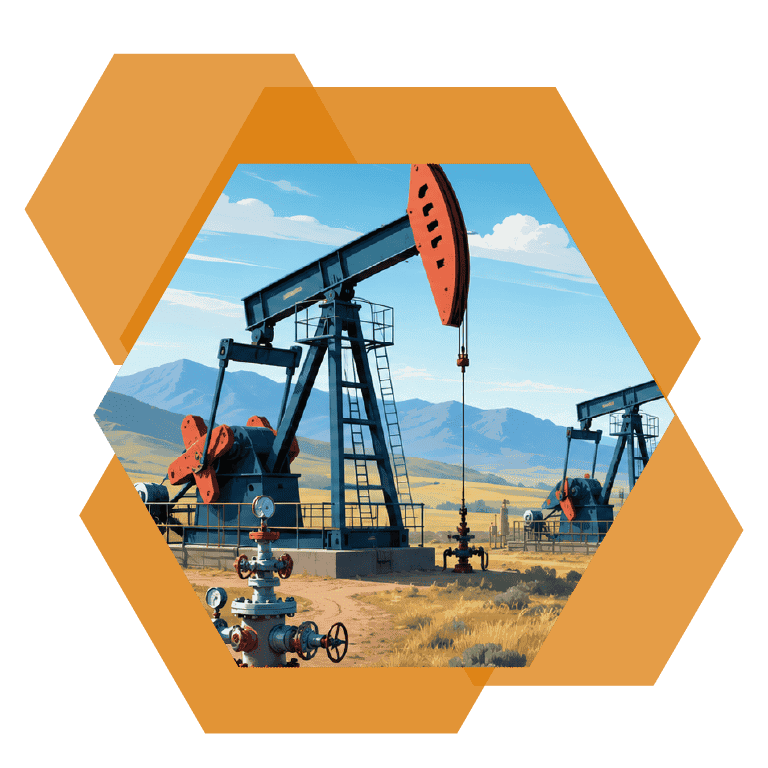
This is where data-driven production optimization becomes especially valuable. Operators need to understand what is happening across the well portfolio, identify underperforming wells, and prioritize the actions most likely to improve recovery or protect the asset.
One Smartbridge use case that supports this trend is the transformation of Bottom Hole Flowing Pressure, or BHP, calculations. BHP calculations are important for reservoir engineering, production analysis, and simulation work. Smartbridge’s solution focuses on optimizing the BHP calculation and simulation process, helping organizations reduce manual work and improve confidence in results.
For existing wells, this matters because engineering teams need timely and reliable pressure insights to make better decisions about production strategy, artificial lift, well interventions, and reservoir performance. When BHP calculations are slow, inconsistent, or highly manual, teams can lose valuable time. By modernizing this workflow, operators can evaluate more wells, reduce delays, and make better-informed decisions about where to focus attention.
Smartbridge has also described this type of work as a way to deliver faster access to critical data, higher reliability, and fewer delays in decision-making for energy companies. Those outcomes align directly with the goal of improving recovery and extending well life.
Another strong upstream example is AI-driven chemical injection optimization. Chemical programs are essential for protecting production, flow assurance, and asset integrity, but fixed-rate injection programs can create waste or leave wells exposed to operational risk. Smartbridge’s recent AI hackathon included a prototype for AI-driven chemical injection optimization using four machine learning modules for corrosion, asphaltene, scale, and demulsifier management, along with a Power BI Command Center in Microsoft Fabric and Copilot Studio advisory flows with human-in-the-loop decisioning.
This kind of solution supports existing well performance in a practical way. Instead of relying on static dosing assumptions, teams can use data to recommend better chemical programs based on changing field conditions. That can help reduce over-treatment, avoid under-treatment, protect well integrity, and support more stable production.
For upstream operators, the value is clear. Getting more from existing wells requires better decisions at the well, pad, field, and portfolio level. With stronger data foundations and AI-enabled recommendations, teams can focus their time on the wells and interventions that matter most.
Midstream: Match Capacity to Changing Flows
Midstream companies play a critical role in helping producers get more value from existing wells. As production profiles change, gathering systems, pipelines, processing assets, and terminals need to adapt. The challenge is matching capacity to flows without creating unnecessary bottlenecks, idle capacity, reliability risk, or manual coordination.
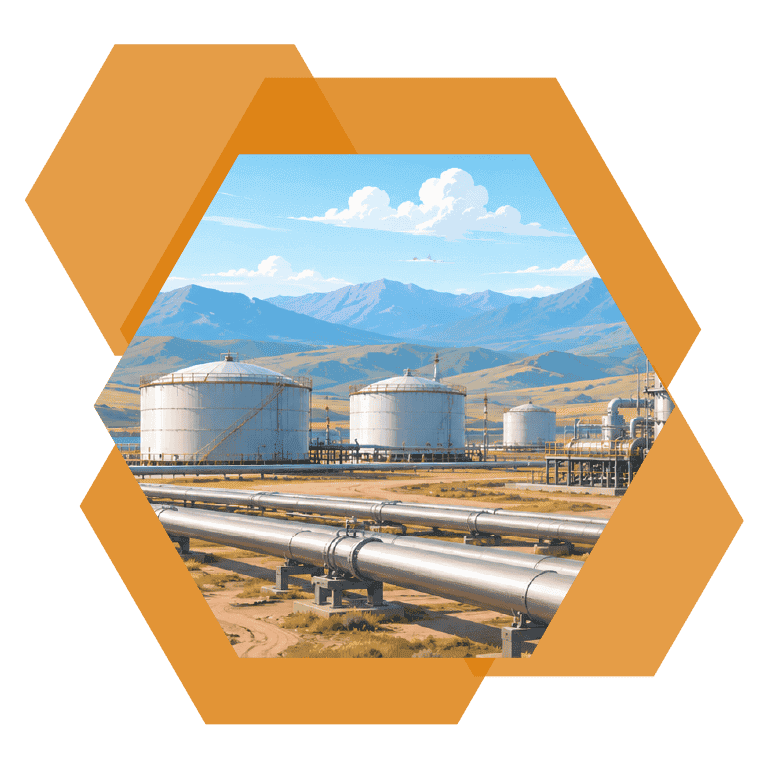
Existing wells rarely produce in a perfectly predictable pattern. Production can shift because of decline curves, new completion activity, workovers, artificial lift changes, chemical programs, downtime, or changing commercial priorities. Midstream operators need visibility into these shifts so they can plan capacity, schedule maintenance, manage constraints, and keep products moving efficiently.
This creates a strong need for integrated operational data. Smartbridge’s energy data and analytics practice focuses on helping oil and gas companies connect siloed data, improve asset performance, predict failures before they happen, and build advanced reporting and dashboards.
For the “Getting More From Existing Wells” trend, a practical midstream use case could be an integrated flow and capacity intelligence platform. This type of solution would combine data from producers, SCADA or historian systems, nominations, maintenance schedules, measurement systems, and commercial data into one operational view. From there, teams could monitor volume trends, identify constraints, forecast capacity needs, and prioritize maintenance around expected flow conditions.
The value is not just better reporting. It is better coordination. When midstream teams have a clearer view of changing flows, they can respond before issues affect throughput, reliability, or customer service. They can also make better decisions about where to invest, where to defer spend, and where operational changes can unlock more value from existing infrastructure.
This also supports emissions and reliability goals. Better capacity matching can reduce inefficient operations, avoid unnecessary downtime, and help teams plan work with fewer disruptions. For midstream companies, getting more from existing wells means making sure the supporting infrastructure is ready for the production profile in front of it, not the profile from last quarter or last year.
Oilfield Services: Optimize Interventions and Services
Oilfield services companies are essential to getting more from existing wells. Workovers, maintenance, chemical services, inspections, equipment support, field labor, and intervention programs all influence how long wells continue to perform and how efficiently operators can manage production.
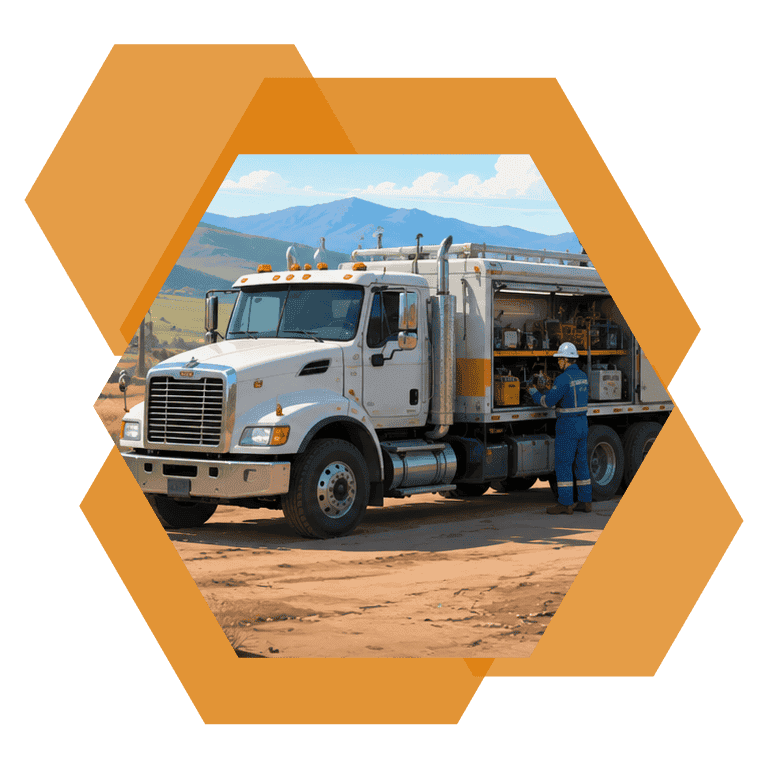
The challenge for OFS companies is execution. Customers expect faster response, better visibility, cleaner documentation, and stronger cost control. At the same time, OFS providers need to optimize crews, equipment, scheduling, billing, and service quality across complex field operations.
Smartbridge’s work around field operations platforms fits this trend well. In its case study on strengthening revenue protection and operational control in a field operations platform, Smartbridge worked with an oilfield services client to stabilize and enhance a mission-critical platform used for ticketing, purchase orders, field tracking, and billing workflows. The project focused on structured workflows, automation, validation controls, operational visibility, and system reliability.
That kind of digital foundation is important for optimizing interventions and services. When OFS teams are supporting existing well performance, every field ticket, crew assignment, equipment movement, job update, and approval matters. Poor visibility can lead to missed revenue, delays, duplicated work, and weaker customer confidence. Better workflows help teams execute more consistently and capture the data needed to improve future service delivery.
Smartbridge’s order-to-cash use case for energy is also relevant. It focuses on streamlining workflows, reducing cycle time, improving cash flow and revenue realization, eliminating redundant tasks, and giving teams greater transparency into field tickets, invoices, and payment status. Smartbridge also notes that energy companies can use order-to-cash transformation to accelerate workflows and analytics, eliminate double entry of field tickets and manual invoice generation, and improve transparency across field tickets, invoices, and payments.
For OFS companies, this supports the operational side of getting more from existing wells. The better the service model, the faster operators can respond to well issues, complete interventions, and keep production online. The more connected the workflow, the easier it becomes to see which services are profitable, which assets are underutilized, and where field execution can improve.
A practical OFS solution could include service scheduling, equipment utilization dashboards, field ticket automation, intervention history, customer reporting, and AI-assisted recommendations for next-best service actions. Over time, this creates a feedback loop. Teams can see which interventions worked, where delays occurred, which crews or assets were needed, and how to improve future jobs.
Optimizing interventions is not only about doing more work. It is about doing the right work at the right time with the right information.
Turning Existing Assets Into a Stronger Growth Engine
Getting more from existing wells is both an operational priority and a digital opportunity. It asks companies to look closely at the assets, infrastructure, and services they already have, then find smarter ways to improve performance.
For upstream operators, that means using better data and AI-enabled workflows to improve recovery, protect asset life, and prioritize well interventions. For midstream companies, it means matching capacity to changing production flows with better visibility and planning. For oilfield services companies, it means optimizing the field work, equipment, and service processes that keep wells producing.
The common thread is execution. Existing assets can still create significant value, but only when teams have the visibility, workflows, and decision support needed to act quickly and consistently.
Smartbridge helps energy companies build that execution layer through data, AI, automation, application modernization, and connected operational platforms. With the right digital foundation, oil and gas companies can improve reliability, increase efficiency, and capture more value from the wells and assets already in the field. Contact us to start a conversation about using the data you already have to its full potential!