Consolidation and Faster M&A Value Capture in Oil and Gas
Faster M&A value capture starts with operational execution. Learn how oil and gas companies can use data, automation, and AI to integrate faster and perform better.
Oil and gas consolidation is reshaping how companies operate, how quickly teams need to align, and how much value leaders are expected to unlock after a deal closes.
When assets, people, systems, and processes come together, the integration work can either accelerate momentum or slow it down. The challenge is turning a larger, more complex organization into one that runs with more consistency, visibility, and control. For upstream, midstream, and oilfield services companies, faster M&A value capture depends on how quickly they can connect data, standardize workflows, and give teams a clearer way to execute across the combined business.
Data integration, workflow automation, system modernization, analytics, and AI can help companies move from post-deal complexity to operational clarity. Instead of waiting months or years to standardize processes, energy organizations can create connected operating models that help teams make faster decisions, reduce manual work, and improve reliability across the value chain.
Smartbridge’s energy practice focuses on challenges such as operational resiliency, AI and data-driven transformation, ESG tracking, workforce and equipment optimization, and legacy system modernization.
Upstream: Standardizing Asset Intelligence After Consolidation
In upstream oil and gas, consolidation often creates a larger and more complex operating footprint. A company may inherit new wells, new production practices, new data sources, different engineering workflows, and inconsistent field processes. Without a clear integration strategy, teams can spend too much time reconciling information instead of optimizing production.
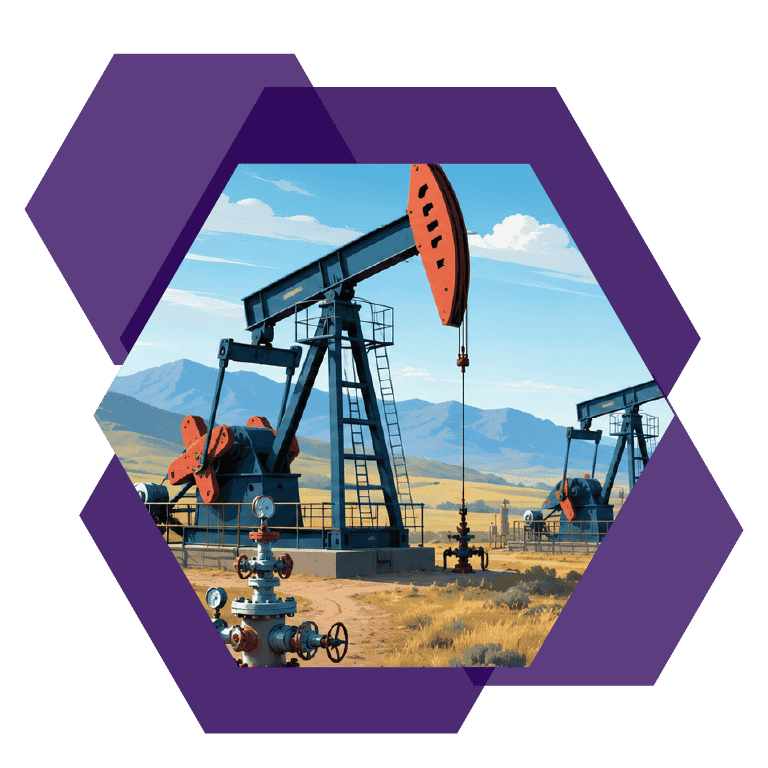
One of the most important value drivers after consolidation is standardizing how teams evaluate asset performance. Engineers, production teams, and operations leaders need trusted data that can support faster decisions across a larger asset base.
A strong example is bottom hole flowing pressure calculation modernization. Smartbridge’s use case for transforming BHP calculations focuses on streamlining reservoir engineering and geoscience workflows, reducing manual effort, and accelerating insight generation for critical operational decisions. Reducing manual BHP efforts by 40% for a mid-size upstream company could enable approximately $8 million in savings, while AI and machine learning models can accelerate decision-making by 50% and reduce manual errors by 80%.
This kind of solution directly supports faster M&A value capture. When an upstream company acquires new assets, it needs a consistent way to evaluate performance, compare opportunities, and prioritize interventions. Modernizing calculation workflows helps teams reduce manual bottlenecks, improve confidence in results, and scale engineering insight across the combined portfolio.
The same principle applies to production optimization. Consolidated upstream portfolios often have varied chemical programs, field conditions, lab results, and operational KPIs. Smartbridge’s AI-driven chemical dosing optimization approach focuses on unifying historian data, lab results, validation notes, and KPIs into a secure foundation for dosing recommendations, dashboards, alerts, and continuous improvement.
For upstream operators, the post-M&A goal is not just to connect more data. It is to create a trusted operational layer that helps teams act faster. By integrating production, lab, field, and financial data, operators can reduce chemical waste, protect asset integrity, improve uptime, and respond more quickly to changing field conditions.
In a consolidation environment, that speed matters. Every manual handoff, disconnected spreadsheet, or inconsistent workflow delays value realization. Digital execution helps upstream teams convert acquired assets into integrated, optimized operations sooner.
Midstream: Creating Operational Visibility Across Integrated Networks
Midstream consolidation brings a different kind of complexity. Companies may be integrating pipeline networks, terminals, processing facilities, measurement systems, maintenance programs, safety workflows, and emissions reporting processes. Even when the physical infrastructure is connected, the data environment may remain fragmented.
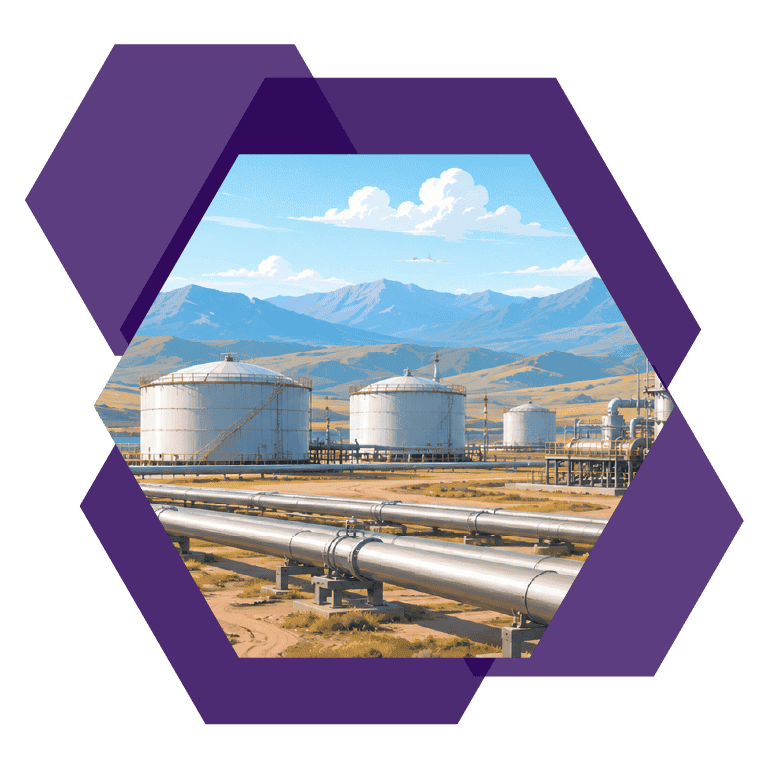
For midstream leaders, faster M&A value capture depends on visibility. They need to understand how assets are performing, where risks are emerging, and how operational decisions affect reliability, cost, safety, and emissions.
Smartbridge’s energy data and analytics practice emphasizes operational visibility and optimization, predictive maintenance and asset reliability, data governance and quality, and advanced reporting and dashboards. These capabilities help energy companies connect siloed data, improve asset performance, predict failures before they happen, and empower teams with self-service KPI tracking.
This is highly relevant to midstream consolidation. After a merger or acquisition, leadership often needs a faster path to common reporting, common KPIs, and common operating visibility. Without that foundation, different teams may continue using different definitions of asset availability, maintenance priority, emissions performance, or operational risk.
A practical midstream use case could focus on building an integrated operational performance layer. This layer would connect SCADA or historian data, maintenance systems, inspection records, field work orders, emissions data, and financial reporting into a governed analytics environment. From there, leaders could track throughput, downtime, work backlog, emissions indicators, and reliability trends across newly combined assets.
This kind of solution helps midstream companies move beyond basic integration. Instead of simply migrating systems, they can standardize how decisions are made. Predictive analytics can help identify failure risks earlier. Dashboards can give operations teams a common view of asset health. Automated reporting can reduce manual reconciliation. Data governance can help ensure that leadership is making decisions from trusted information.
The result is a faster path from deal close to operational control. Midstream companies can reduce uncertainty, improve reliability, and give teams a shared view of performance across the combined network.
Oilfield Services: Protecting Revenue and Integrating Field Operations
Oilfield services companies feel consolidation pressure from both sides. They may be consolidating their own operations while also serving customers that expect faster, more transparent, and more cost-efficient execution. In OFS, value capture depends heavily on field execution, billing accuracy, equipment utilization, and workflow control.
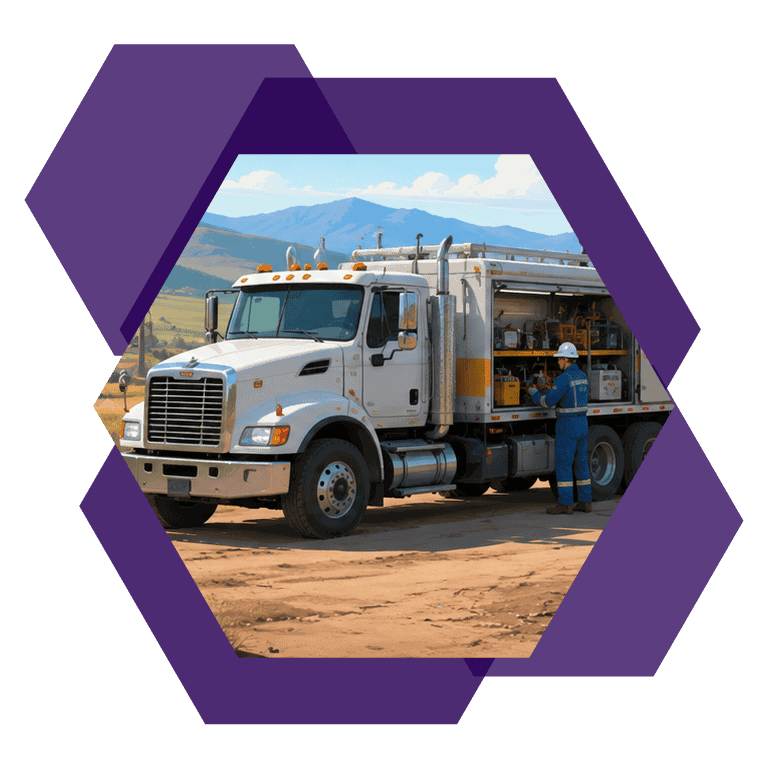
This makes operational platforms especially important. Field tickets, purchase orders, job tracking, billing workflows, equipment movement, labor allocation, and customer approvals all have a direct impact on cash flow and margin.
Smartbridge’s case study on strengthening revenue protection and operational control in a field operations platform is a strong fit for this trend. In that engagement, Smartbridge partnered with an oilfield services client to stabilize and enhance a mission-critical platform used for ticketing, purchase orders, field tracking, and billing workflows. The existing platform had gaps in process design, manual dependencies, and weak validation controls, which created risks around revenue leakage, operational inefficiency, and limited traceability. Smartbridge’s approach focused on structured workflows, automation, and validation mechanisms to improve revenue protection, operational visibility, and system reliability.
This is exactly the kind of work that supports faster value capture after consolidation. When OFS companies bring together multiple teams, regions, service lines, or acquired businesses, inconsistent field processes can quickly become a revenue problem. If tickets are incomplete, purchase orders are mismatched, equipment usage is not captured correctly, or billing workflows depend on manual follow-up, value leaks out of the business.
A modern field operations platform helps standardize how work gets captured and approved. It can reduce rework, improve traceability, strengthen billing controls, and give leaders clearer visibility into field activity. That matters for both operational performance and revenue protection.
Smartbridge’s energy solutions also include order-to-cash transformation, with an emphasis on accelerating workflows and analytics, eliminating double entry of field tickets and manual invoice generation, and improving transparency into field tickets, invoices, and payment statuses. Smartbridge notes that this type of transformation can improve cash flow by 25%, reduce time spent by AP, AR, and operations teams by 25%, and reduce Days Sales Outstanding by 15%.
For OFS companies, faster M&A value capture means creating a more consistent operating model across the combined business. That includes standardized ticketing, cleaner billing workflows, better equipment visibility, and stronger controls around revenue recognition. With the right digital foundation, OFS companies can reduce missed revenue, improve utilization, and scale best practices across acquired operations.
Turning Consolidation Into Operational Advantage
Consolidation can create scale, but scale alone does not guarantee value. The real gains come when companies integrate operations, standardize critical workflows, and create better visibility across the business.
For upstream companies, that may mean modernizing engineering workflows, production optimization, and asset intelligence. For midstream companies, it may mean connecting operational data, reliability programs, and emissions reporting across a larger network. For oilfield services companies, it may mean strengthening field execution, ticketing, billing, and equipment utilization.
The common thread is operational execution. Companies need systems and processes that help teams work faster, make better decisions, and reduce the friction that often follows M&A activity.
As consolidation continues across oil and gas, faster value capture will depend on more than financial modeling and integration plans. It will depend on the ability to connect data, automate workflows, improve reliability, and give teams the tools they need to execute with confidence.
Smartbridge brings together energy industry experience, data and analytics, AI, automation, application modernization, and digital innovation to help organizations move from fragmented operations to measurable business value. In a market where speed, efficiency, and reliability matter, that execution layer can make the difference between delayed integration and accelerated transformation. Contact us to start a conversation on M&A solutions for your organization.