
Bridging the Execution Gap: Why Emissions and Compliance Becoming Commercial is Redefining Oil & Gas Operations
Environmental metrics are shifting from being an administrative task to directly showing up on the corporate balance sheet. Read how emissions and compliance becoming commercial is forcing oil and gas operators to run leaner, maximize asset reliability, and leverage digital tools to turn regulatory pressures into operational wins.
The New Era of Operational Execution in Energy
The oil and gas industry is facing a transformative fluctuation in expectations. Across every sector, from the drill site to the processing facility, organizations are under immense pressure to run leaner operations, integrate assets at an accelerated pace, maximize asset reliability, all while managing an environmental footprint with strict discipline.
Because capital expenditures are being scrutinized more tightly than ever, long-term infrastructure projects are no longer the default answer to every growth challenge. Instead, the immediate opportunity lies in optimizing what is already in the field.
This pressure has generated an urgent, near-term demand for practical operational execution solutions such as digital tools, connected data, and intelligent automations that empower frontline teams to eliminate waste, accelerate decision-making, and protect profitability in real time.
The Operational Catalyst
Emissions and Compliance Becoming Commercial
At the heart of this operational evolution is a fundamental restructuring of how environmental stewardship and regulatory mandates are handled. Today, we are witnessing the clear reality of emissions and compliance becoming commercial. What was once treated as an administrative exercise or a periodic check of a checkbox has shifted directly onto the corporate balance sheet. Carbon footprints, methane intensity metrics, and regulatory protocols now carry immediate financial consequences, directly influencing tax credits, asset valuations, borrowing costs, and access to capital.
For upstream, midstream, and oilfield services (OFS) companies alike, adapting to emissions and compliance becoming commercial serves as a powerful catalyst for broader business goals. Far from being an operational burden, integrating these parameters into daily workflows reinforces core initiatives around driving efficiency, enhancing asset reliability, and accelerating digital transformation across the energy value chain.
Upstream Operations
Maximizing Asset Value and Production Compliance
For upstream operators, responding to emissions and compliance becoming commercial means embedding environmental and regulatory awareness directly into day-to-day production strategies. The primary goal is getting more from existing wells while systematically shrinking the carbon footprint per barrel produced.
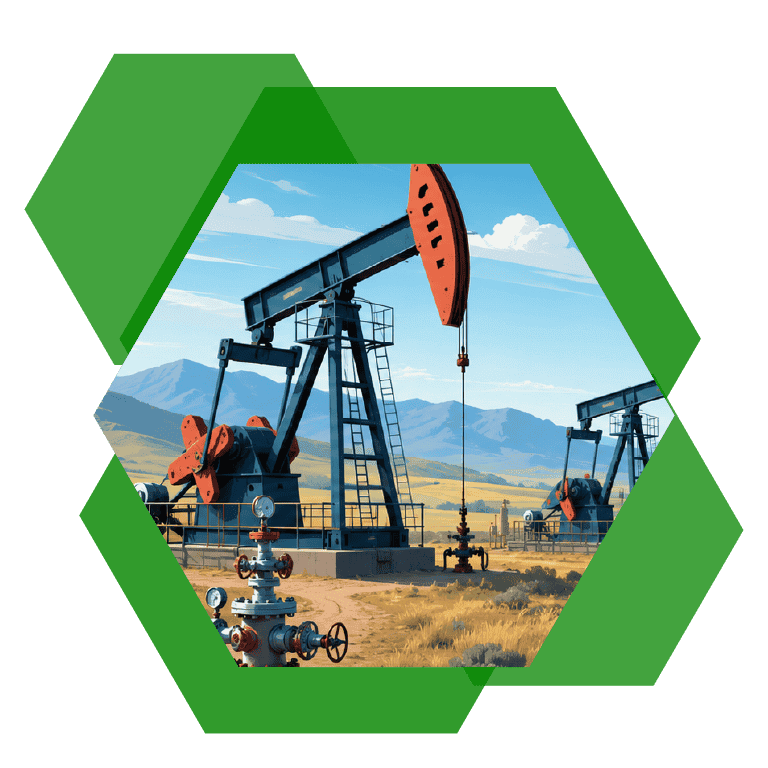
One of the most effective ways to achieve this balance is through AI-driven chemical dosing optimization. Production chemistry is essential for protecting well integrity and maintaining flow assurance, yet traditional fixed-rate chemical injection programs often lead to chemical waste, asset degradation, or unnecessary truck rolls. By deploying machine learning models and edge analytics, operators can automatically receive real-time dosing recommendations that adjust to changing well dynamics. This keeps engineers in control while significantly cutting chemical spend, improving equipment uptime, and reducing the truck trips that drive up Scope 1 emissions.
Furthermore, handling the massive data footprint required for modern environmental reporting demands robust automation. In our work with a top-tier energy company operating over 100 drilling sites and extracting one billion cubic feet of natural gas daily, we implemented an ESG tracking automation solution. By automating the data pipelines that collect and calculate environmental metrics from historically siloed software systems, the company achieved a 99% reduction in data error rates and freed up hundreds of hours of manual labor for high-value analysis. When environmental metrics directly impact financial performance, this level of automated precision is no longer optional.
Midstream Logistics
Intelligent Flows and Predictive Integrity
In the midstream sector, the broader trend of emissions and compliance becoming commercial reshapes how transport, storage, and processing assets are utilized. Maintaining midstream capacity and infrastructure requires tight synchronization with shifting upstream production flows. Disconnected data between gathering networks, compressor stations, and terminal facilities can result in operational bottlenecks, forcing unexpected equipment downtime, venting, or flaring. All of which carry steep commercial penalties.
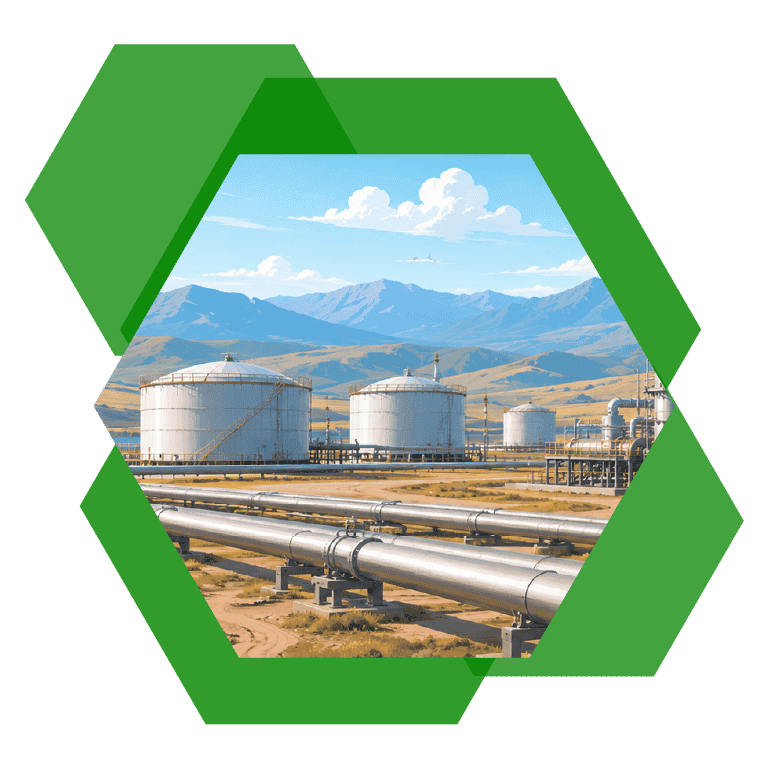
To address this challenge, midstream operators are adopting integrated flow and capacity intelligence platforms. By leveraging robotic process automation (RPA) and unified data foundations, companies can seamlessly bridge the gap between SCADA systems, asset inspection logs, and enterprise reporting platforms. This operational intelligence allows midstream teams to move away from reactive maintenance and toward predictive asset reliability and integrity intelligence. Anticipating equipment constraints before they lead to safety or environmental anomalies ensures that pipelines operate at optimal capacity, leaks are prevented before they occur, and environmental reporting is fully auditable. Ensuring compliance on the pipeline network translates directly into preserved throughput and protected revenue.
Oilfield Services
Frictionless Field Execution and Revenue Protection
Oilfield services (OFS) providers sit at the frontline of execution, where their clients’ corporate environmental strategies must be translated into tangible wellsite actions. Because operators are under intense pressure to justify their operational metrics, they now demand absolute transparency, rapid response times, and flawless documentation from their service providers. In this environment, an OFS company’s ability to capture clean operational data at the field level is a significant competitive differentiator.
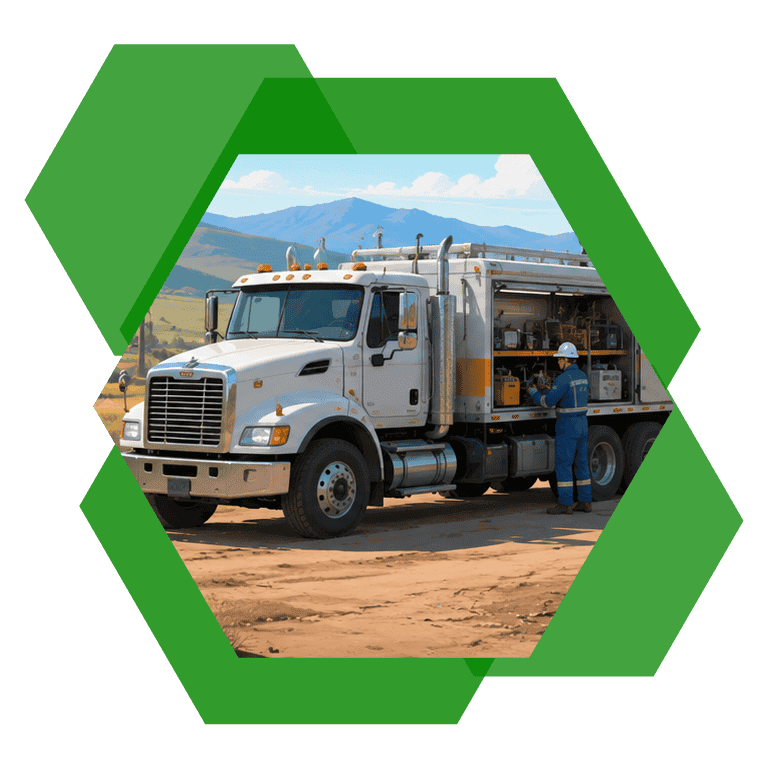
This market pressure requires modernizing field operations platforms and streamlining the order-to-cash workflow. In a recent use case, Smartbridge partnered with an OFS organization to stabilize and enhance a mission-critical field platform responsible for tracking mobile ticketing, purchase orders, field labor, and billing workflows. By removing digital friction and ensuring that data flows seamlessly from the field to the back office, the solution provided robust revenue protection while giving operators the exact documentation they needed to verify compliant service delivery. When field operations are backed by automated data capture, service crews spend less time filling out paper logs and more time executing safe, efficient, and environmentally compliant field programs.
A Foundation for Sustained Efficiency
The strategic move toward emissions and compliance becoming commercial, means energy companies can no longer afford to isolate environmental strategy from daily field execution. At Smartbridge, we believe that the tools required to manage compliance, such as intelligent automation, predictive AI, and unified data architectures, are the exact same tools required to unlock hidden operational capacity and maximize asset profitability. By bridging the gap between data strategy and frontline action, energy organizations can transform regulatory mandates into a powerful driver of long-term efficiency, reliability, and sustained market leadership. To have a deeper discussion on how we can help with emissions and compliance, feel free to book a chat with us.