Capital Discipline and Efficiency Optimization in Oil & Gas Operations
Explore how capital discipline and efficiency optimization are driving smarter operations across upstream, midstream, and oilfield services.
Oil and gas companies are facing a familiar challenge with new urgency: improve performance while keeping spending under control.
Across the industry, leaders are being asked to run leaner, integrate faster, boost reliability, and manage emissions with greater discipline.
Capital is being watched closely. Operational teams are expected to make better decisions with fewer delays, fewer manual steps, and less room for waste.
That pressure is creating near-term demand for solutions that improve operational execution.
Capital discipline and efficiency optimization are closely connected. When teams can see the right data, automate repetitive work, and act faster on operational insights, they can reduce unnecessary spend and improve performance without slowing the business down.
For upstream, this may mean improving production decisions and reducing avoidable chemical or equipment costs. For midstream, it may mean protecting throughput, improving asset reliability, and preventing costly interruptions. For oilfield services, it may mean tightening order-to-cash workflows so completed work turns into revenue faster.
This article looks at how capital discipline and efficiency optimization support the industry’s broader goals of efficiency, reliability, and digitalization across upstream, midstream, and oilfield services.
Upstream: From Reserves to Revenue
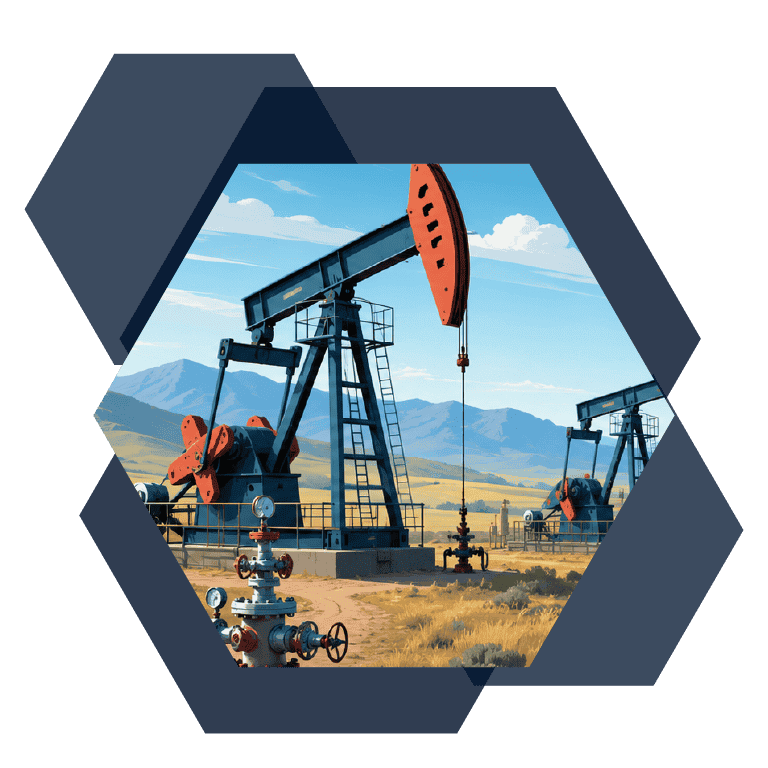
Upstream operators are focused on converting reserves into revenue as efficiently as possible. Every production decision has a financial impact, from how wells are monitored to how chemicals are injected, how equipment is used, and how quickly teams respond to changing operating conditions.
In a capital-disciplined environment, upstream teams need more than visibility. They need operational intelligence that helps them make timely, confident decisions.
Many upstream processes still depend on manual analysis, fragmented data, and fixed operating assumptions. That can create opportunities for waste. Chemical programs may continue at the same rate even when production conditions change. Equipment may be overused or underused. Engineers may spend valuable time gathering and validating data before they can make a decision.
Digital optimization helps reduce that friction.
This article looks at how capital discipline and efficiency optimization support the industry’s broader goals of efficiency, reliability, and digitalization across upstream, midstream, and oilfield services.
Upstream: From Reserves to Revenue
Upstream operators are focused on converting reserves into revenue as efficiently as possible. Every production decision has a financial impact, from how wells are monitored to how chemicals are injected, how equipment is used, and how quickly teams respond to changing operating conditions.
In a capital-disciplined environment, upstream teams need more than visibility. They need operational intelligence that helps them make timely, confident decisions.
Many upstream processes still depend on manual analysis, fragmented data, and fixed operating assumptions. That can create opportunities for waste. Chemical programs may continue at the same rate even when production conditions change. Equipment may be overused or underused. Engineers may spend valuable time gathering and validating data before they can make a decision.
Digital optimization helps reduce that friction.
Many upstream processes still depend on manual analysis, fragmented data, and fixed operating assumptions. That can create opportunities for waste. Chemical programs may continue at the same rate even when production conditions change. Equipment may be overused or underused. Engineers may spend valuable time gathering and validating data before they can make a decision.
Digital optimization helps reduce that friction.
Use Case: AI-Driven Chemical Injection Optimization
Chemical injection is a strong example of efficiency optimization in upstream operations.
Chemical programs are essential for protecting production, maintaining flow assurance, and reducing integrity risks. However, fixed-rate injection strategies can lead to unnecessary cost. Overdosing increases chemical spend. Underdosing can create operational and asset risks. Both outcomes work against capital discipline.
An AI-driven chemical injection solution helps teams move from static dosing to adaptive optimization.
By using production data, operating conditions, and historical performance patterns, AI can help recommend more effective chemical dosage levels. The goal is to reduce unnecessary chemical spend while still protecting asset integrity and production stability.
Use Case: Transforming BHP Calculations
Bottom Hole Flowing Pressure, or BHP, is another area where better data and automation can improve upstream decision-making.
BHP calculations help teams understand well performance and make production decisions. When this process is manual or slow, engineers may spend too much time collecting data, running calculations, and validating results. That slows down analysis and can delay action.
Smartbridge’s BHP use case focuses on optimizing the BHP calculation and simulation process for oil and gas organizations.
By modernizing this process, upstream teams can improve the speed and consistency of engineering analysis. That supports better production planning, faster troubleshooting, and more efficient use of engineering resources.
Capital discipline in upstream operations comes down to smarter allocation of time, materials, and field resources. When teams can make better production decisions faster, they are better positioned to increase value from existing assets.
Midstream: Throughput, Reliability, and Integrity
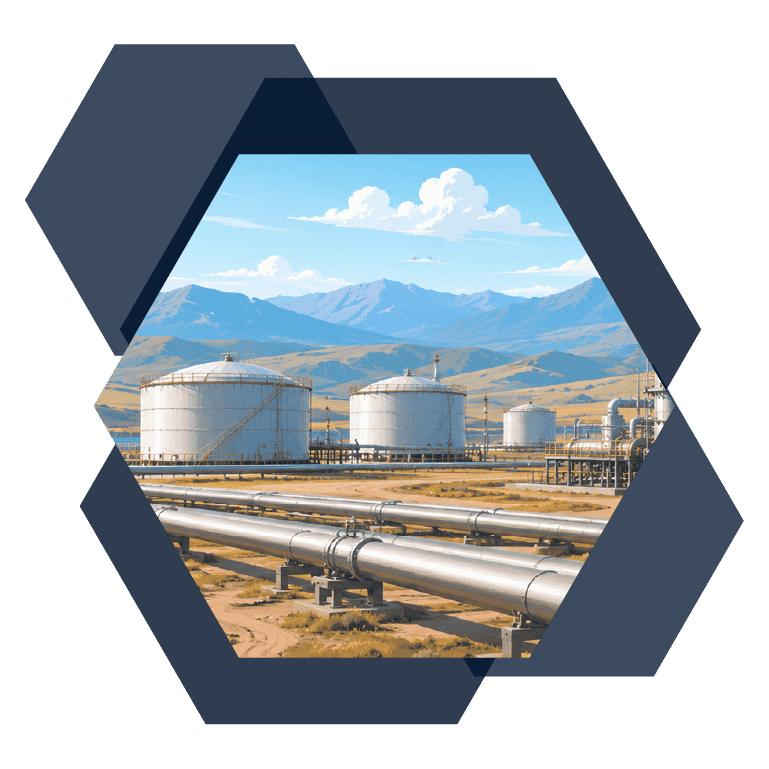
Midstream companies operate in a world where reliability is directly tied to financial performance. Throughput, uptime, safety, and integrity all matter. A disruption in one part of the system can create delays, increase costs, and reduce customer confidence.
Capital discipline in midstream operations often comes down to protecting existing infrastructure and making smarter maintenance and reliability decisions.
For midstream teams, efficiency optimization is about improving how assets are monitored, maintained, and operated. The goal is to reduce unplanned downtime, extend asset life, and prioritize work based on risk and operational value.
The challenge is that midstream data often lives across many systems. SCADA data, inspection records, maintenance history, field notes, and compliance documentation may all tell part of the story. When teams have to piece that information together manually, decision-making slows down.
A more connected data foundation can help teams identify risks earlier and act with greater precision.
The challenge is that midstream data often lives across many systems. SCADA data, inspection records, maintenance history, field notes, and compliance documentation may all tell part of the story. When teams have to piece that information together manually, decision-making slows down.
A more connected data foundation can help teams identify risks earlier and act with greater precision.
Use Case: Asset Reliability and Integrity Intelligence
Midstream operators can use data and AI to improve how they manage asset reliability and integrity.
A connected operational intelligence solution can bring together data from operations, maintenance, inspections, and field activity. Once that data is unified, analytics and AI can help surface trends that may otherwise be missed.
This supports capital discipline because it helps teams focus spending where it matters most. Instead of spreading maintenance budgets evenly or reacting after failures occur, teams can use data to prioritize the work that protects throughput and reduces long-term risk.
Smartbridge’s energy practice emphasizes operational decision-making, asset analytics, ESG tracking, and AI-driven production optimization across the oil and gas industry.
Case Study: Digital Strategy and Data Foundation
Midstream efficiency also depends on having the right systems and data foundation in place.
Smartbridge has helped energy organizations assess their current IT state and develop digital strategy roadmaps. In one case, Smartbridge conducted an eight-week assessment and provided future-state recommendations around people, processes, and technology, including opportunities to automate repetitive work and improve capacity.
That type of work is important for midstream companies because reliability and integrity programs depend on connected information. Without a strong data foundation, it becomes harder to optimize assets, improve reporting, or scale AI use cases.
A digital strategy roadmap can help midstream leaders identify where modernization will have the greatest operational impact. It can also help teams sequence investments in a way that supports capital discipline.
Rather than modernizing systems in isolation, companies can focus on the capabilities that improve reliability, reduce manual effort, and create measurable business value.
Oilfield Services: Order-to-Cash
For oilfield services companies, capital discipline often shows up in the order-to-cash process.
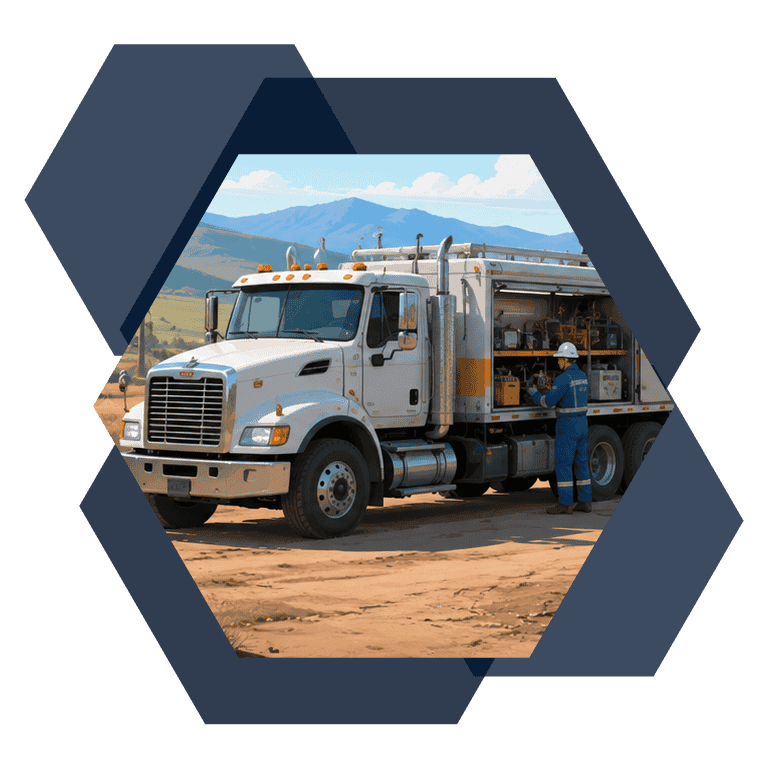
Field work may be completed, but revenue can still get delayed because of disconnected workflows, manual tickets, missing information, or invoice disputes. These delays affect cash flow and create unnecessary administrative effort for operations, AP, AR, and finance teams.
In oilfield services, efficiency optimization means improving how work moves from the field to the back office.
A faster, more accurate order-to-cash process helps companies capture revenue sooner, reduce leakage, and improve visibility into job status, ticket status, invoices, and payment progress.
Use Case: Order-to-Cash Optimization for Energy
Smartbridge’s Order-to-Cash for Energy use case focuses on smarter workflows, faster payments, and greater transparency to improve efficiency and profitability.
The use case is designed to streamline order-to-cash workflows, reduce cycle time, improve cash flow, and support revenue realization.
This is especially valuable for oilfield services companies because order-to-cash workflows often span multiple teams and systems. Field tickets, job details, approvals, invoices, and payment status may be managed across different platforms. When these processes are manual or disconnected, teams spend too much time on rework.
A modernized order-to-cash solution can help teams:
Order-to-cash workflow and analytics improvements can help improve cash flow, reduce time spent by AP, AR, and operations teams, and increase visibility into field tickets, invoices, and payment statuses.
For oilfield services companies, this is a practical example of capital discipline. The work has already been performed. The value comes from reducing the time and effort required to turn that work into revenue.
Case Study: Strengthening Revenue Protection and Operational Control in a Field Operations Platform
Smartbridge’s field operations platform case study is another strong example of capital discipline in oilfield services.
The client needed to improve a mission-critical platform supporting ticketing, purchase orders, field tracking, and billing. Gaps in the workflow created risks around delayed approvals, missing billing references, duplicate records, and revenue leakage.
Smartbridge helped strengthen the platform by introducing more structured workflows, better validation controls, automated reminders, and improved ticket visibility. The team also enabled automatic ticket creation from finalized purchase orders, helping ensure field activity stayed connected to the billing process.
These improvements gave the client stronger operational control and better revenue protection. Tickets could move more reliably from field activity to approval and billing, while teams spent less time chasing missing information or correcting data issues.
For oilfield services companies, this is a practical example of efficiency optimization. When field workflows are more connected and controlled, companies can reduce revenue leakage, improve billing accuracy, and create a more scalable foundation for operations.
Building a More Efficient Oil and Gas Value Chain
Capital discipline is shaping the next wave of oil and gas digital transformation.
Companies are looking for ways to improve performance without adding unnecessary complexity or cost. That requires solutions that connect data, automate workflows, and help teams make better decisions in the field, in the control room, and in the back office.
For upstream teams, efficiency optimization can improve production decisions, reduce chemical waste, and support asset integrity. For midstream teams, it can protect throughput, improve reliability, and support smarter maintenance planning. For oilfield services teams, it can accelerate order-to-cash, improve cash flow, and reduce administrative burden.
In summation, use digital intelligence to improve how work gets done.
When oil and gas companies apply AI, automation, and analytics to the right operational problems, they can reduce waste, improve reliability, and strengthen capital efficiency across the value chain.