
Upstream Oil & Gas Digital Transformation: Data, AI and Modernization
Upstream oil and gas companies have more data than ever, but disconnected systems can make it hard to use. See how a stronger data foundation, modernized technology, and practical AI use cases can improve visibility, decision-making, and operational performance.
Upstream oil and gas is the exploration and production (E&P) segment of the petroleum industry, covering every activity from finding hydrocarbon deposits to bringing crude oil and natural gas to the surface.
It sits at the start of a three-part value chain, upstream being followed by midstream transport and storage and downstream refining and retail.
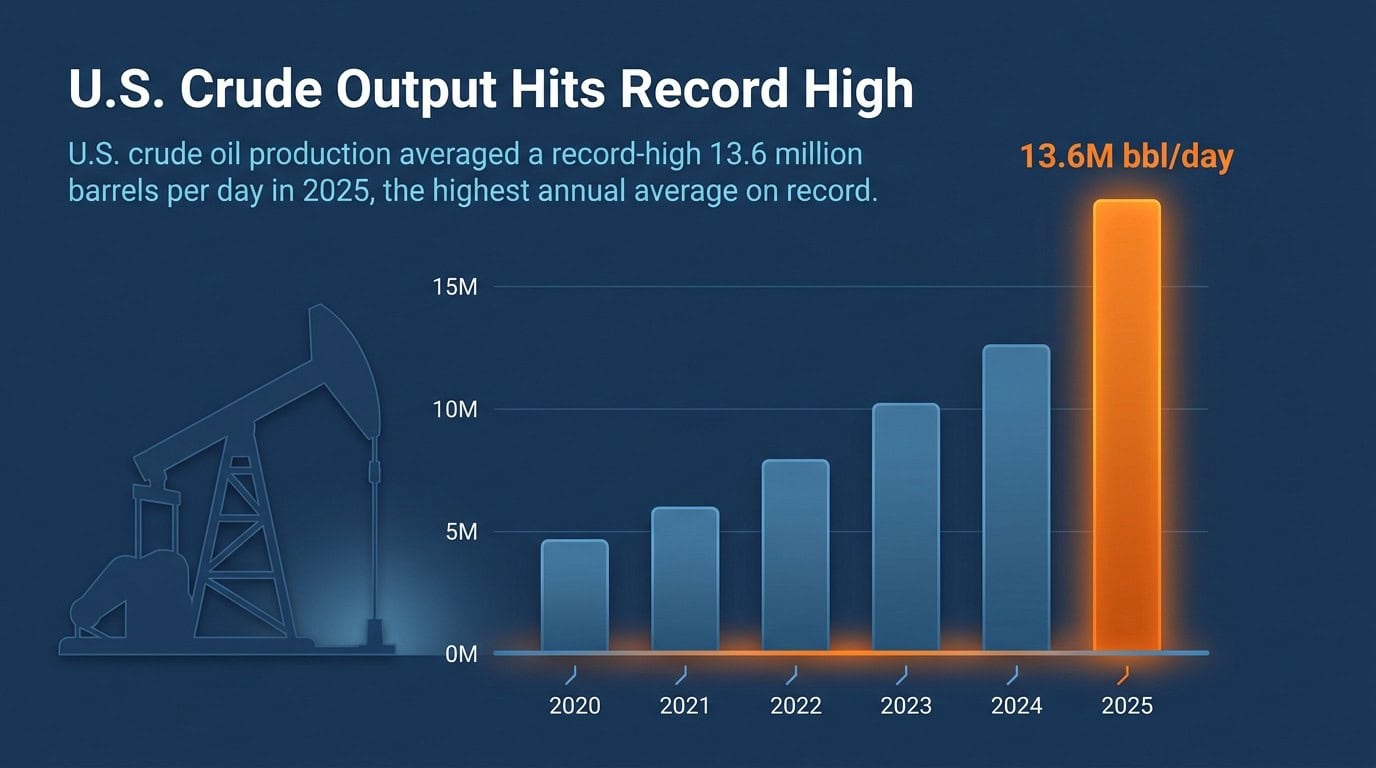
According to Research and Markets, the global upstream oil and gas activities market reached $4.84 trillion in 2025, and the U.S. Energy Information Administration reported that U.S. crude oil production averaged a record-high 13.6 million barrels per day in 2025, the highest annual average on record.
Most explanations of the upstream sector stop at the definition. That leaves E&P leaders and digital transformation teams without a clear picture of how exploration, drilling, production, and technology actually connect, or where the real data and efficiency gaps live. We work with energy companies across Houston and beyond every day. This guide builds the full picture with the precision operators actually need.
Upstream oil and gas companies generate enormous amounts of data across wells, equipment, production systems, field operations, engineering applications, and business platforms. The challenge is rarely a lack of information, but rather making that information usable.
Operational data often sits across historians, SCADA systems, engineering applications, spreadsheets, ERP platforms, field systems, and legacy databases. Different teams may work from different versions of the same information, while valuable field and equipment data remains difficult to connect with financial or operational decisions.
For upstream operators, digital transformation is less about adopting individual technologies and more about connecting data, processes, systems, and people so teams can make better decisions across the lifecycle of an asset. AI adds another layer of opportunity, but only when the underlying data and architecture can support it.
Why Digital Enablement Matters in Upstream Oil & Gas
Upstream operations involve exploration, drilling, completions, production, maintenance, field operations, and asset management. Each activity produces data that can influence cost, production, reliability, and capital decisions. Yet much of that information was never designed to work together.
A production engineer might rely on one application. Field teams may use another. Maintenance history could live in an enterprise asset management system, while equipment readings stream into a historian. Finance may depend on ERP data and spreadsheets to understand costs and capital performance. This creates a familiar problem that we see at a lot of our clients: plenty of data, limited visibility.
Digital enablement connects these environments so information can move more easily between operational, engineering, and business teams. That can mean modernizing older applications, integrating operational technology with enterprise systems, building cloud-based data platforms, improving analytics, automating manual processes, or introducing AI into targeted workflows.
The ultimate goal of digital transformation/enablement is to make information easier to trust, access, and act on.
The Upstream Data Challenge Is Fragmentation
Connected equipment has dramatically increased the amount of data available to operators. Wells, pumps, compressors, processing equipment, and other assets can continuously generate tons of data. But collecting more data does not automatically create better decisions.
For many operators, the challenge is data coherence. Legacy equipment may produce data in different formats, while historians and specialized applications keep information isolated within individual functions. Fragmentation like that affects nearly every digital initiative.
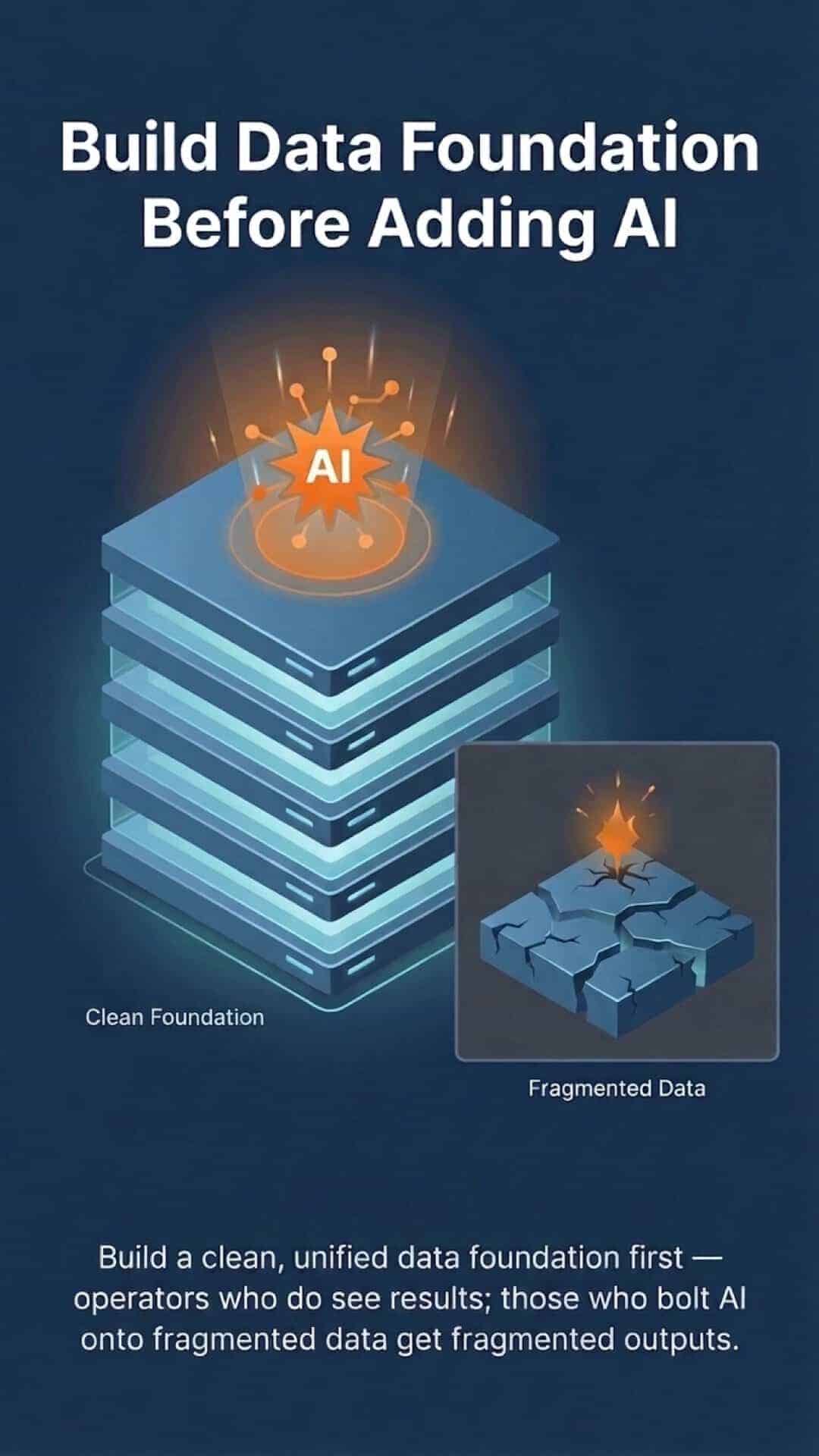
If production, maintenance, engineering, field service, and financial data cannot be connected, organizations struggle to create reliable analytics. AI models then inherit those same gaps. Reports require manual reconciliation. Engineers spend time hunting for information instead of analyzing it. A modern data strategy addresses those issues at the foundational level before they become issues down the line like when trying to implement new tech like AI.
Building a Data Foundation for Upstream Operations
A strong upstream data foundation means creating an architecture that allows the right data to be integrated, governed, contextualized, and delivered to the people and applications that need it. For many operators, that includes connecting operational data from historians and SCADA environments with enterprise systems such as ERP, maintenance, financial, planning, and field service platforms. Cloud data platforms can then provide a common environment for analytics, reporting, machine learning, and AI.
Just as important is context. A pressure reading is more useful when it can be associated with the correct well, piece of equipment, location, maintenance history, operating condition, and production target. Bringing those relationships together makes operational data much more valuable.
This is also where data governance matters. Security and access controls need to be consistent enough that teams can trust what they see. Without that groundwork, companies often create more dashboards without creating more clarity.
Moving From Historical Reporting to Operational Intelligence
Traditional reporting tells teams what happened while modern analytics can help explain why it happened, what is changing, and where attention may be needed next. This is especially valuable in upstream environments because conditions can change quickly across hundreds or thousands of assets.
Production teams can combine historical and real-time data to identify declining performance or unusual operating conditions. Maintenance teams can analyze equipment behavior to prioritize interventions. Finance and operations leaders can connect production results with cost and capital information. Instead of manually assembling information from multiple systems, teams can work from shared data models and analytics. This creates the foundation for something even more valuable: predictive and prescriptive decision support.
Where AI Fits in Upstream Oil & Gas
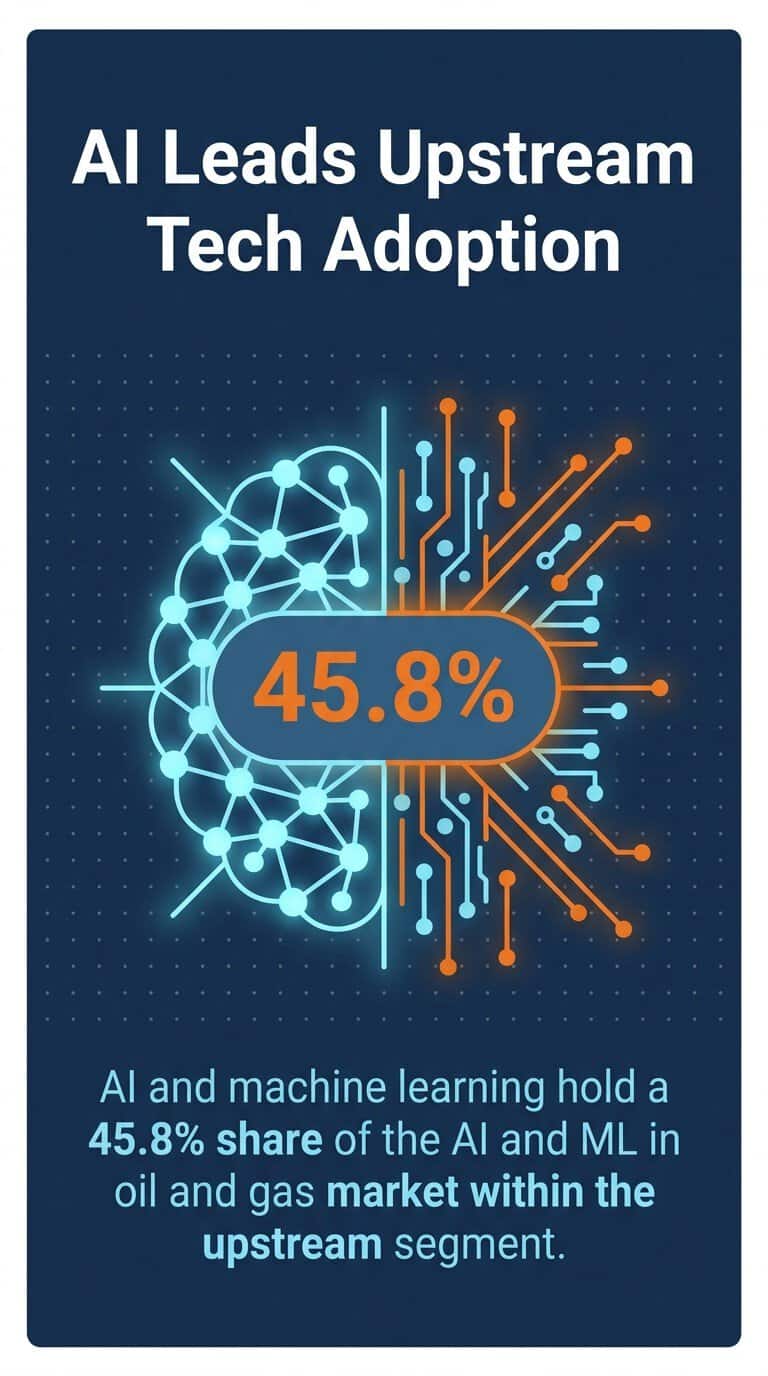
AI has become a major part of the upstream technology conversation. AI and machine learning hold a 45.8% share of the AI and ML in oil and gas market within the upstream segment, according to Precedence Research’s 2025 analysis. But AI should not be treated as a separate technology layer disconnected from operations.
The most useful applications begin with a specific operational problem or use case. For example, an operator might use AI to detect changes in well performance earlier, identify equipment at greater risk of failure, improve chemical injection recommendations, analyze field documentation, or help engineers search years of operational knowledge using natural language. (And guess what? We already have solutions for some of these!)
Generative AI introduces another set of possibilities. Engineers and operations teams can use AI assistants to summarize reports, search technical documentation, investigate production history, interpret large volumes of unstructured information, or interact with operational data conversationally.
These use cases can reduce time spent searching, compiling, and reconciling information, but their reliability depends heavily on the data behind them like we discussed before. Adding an AI interface to disconnected systems does not solve the underlying problem. It simply gives users a faster way to access inconsistent or even wrong information.
AI-Driven Production Optimization
Production optimization is one of the clearest opportunities for AI and advanced analytics in upstream operations. Operators continuously balance production and operations metrics and decisions. Historically, many of these decisions have depended heavily on manual analysis and engineering experience. AI can supplement that expertise by examining far more variables at once while maintaining a human in the loop to provide feedback and management. Models can identify patterns in historical well behavior, flag abnormal production conditions, forecast changes in output, and recommend where engineers should focus their attention. This means that there is better decision support for the people already responsible for those assets.
Predictive Maintenance and Asset Reliability
Equipment failures can reduce production and create safety risks. Predictive maintenance uses operating history, sensor readings, work orders, failure records, and other information to identify patterns that may indicate degradation. Instead of relying only on fixed maintenance intervals, teams can prioritize assets based on actual operating conditions and risk.
Digital twins can extend this concept further by combining asset models with real operating data. A digital twin can help teams simulate performance, predict failures, and test changes without altering the physical asset. The value comes from connecting those models to trustworthy operational data rather than treating the twin as a standalone visualization. Digital twins in oil and gas reached $1.33 billion in 2025 and are on a trajectory toward $3.11 billion by 2033, according to DataM Intelligence’s market analysis.
AI for Field Operations and Workforce Productivity
Some of the biggest opportunities are much less futuristic. Field teams still spend significant time entering, searching, and moving information between systems. This is an area where AI and automation can reduce that administrative burden.
An AI assistant could help a field technician retrieve procedures or equipment history. Document intelligence can extract information from field reports, invoices, inspection records, or service tickets. And automated workflows can move information from completed field work into approval, billing, or financial processes. These improvements matter because digital enablement should affect the work happening in the field, not just the dashboards that are viewed at headquarters.
Connecting Operational and Financial Data
One area that deserves far more attention than it gets is the connection between operational performance and financial performance. Upstream organizations make constant decisions about things such as capital allocation, operating expense, workovers, maintenance, drilling programs, equipment, and field activity. Those decisions are stronger when operational and financial information can be analyzed together.
Leaders should be able to move from a high-level cost or production metric into the assets, activities, or conditions driving it without manually assembling information from several systems. Modern data platforms and analytics can make that connection possible. After a solid foundation and connection is put in place, AI can then help teams investigate variances, summarize drivers, identify anomalies, and surface areas that require closer review.
Modernizing the Systems Behind Upstream Operations
Not every digital initiative starts with AI and if we are being honest, it shouldn’t! In many organizations, legacy applications and point-to-point integrations are the bigger constraint. Some systems were developed years ago to support a specific field, workflow, or engineering function. They may still perform that job well, but integrating them with cloud platforms, modern analytics, mobile tools, or AI can be difficult.
But modernization does not always require replacing them. APIs, cloud integration, modern data platforms, application modernization, and low-code technologies can extend the useful life of existing systems while creating better connections between them. The overall goal should be practical modernization based on business value, not replacing technology simply because it is old.
A Practical Approach to Digital Transformation in Upstream Oil & Gas
The most successful programs usually start with business problems rather than technology products. Some use cases an operator might want could be:
From there, organizations can identify what capabilities are required to support that outcome.
This approach also makes it easier to prioritize investments. Instead of launching an enterprise-wide AI program, teams can select a handful of high-value use cases, establish the data foundation they require, demonstrate measurable value, and expand from there. That creates a much stronger path to adoption than introducing AI simply because the technology is available.
Data First, AI Next
AI may be getting most of the attention, but the underlying data environment still determines how useful it can become. Clean, unified data creates a stronger foundation for AI, while fragmented data produces fragmented and sometimes messy results. For upstream oil and gas companies, that means connecting operational and enterprise data, improving data quality, modernizing critical systems, and creating architecture that can support analytics and AI at scale. Once that foundation is in place, companies can move beyond isolated pilots and start applying AI to real operational decisions.
That is where digital transformation becomes digital enablement: technology, data, and AI working together to help teams operate with better information and make better decisions.
Smartbridge helps energy companies build that foundation across data strategy, analytics, AI, application modernization, and intelligent automation. From improving visibility across upstream operations to developing targeted AI use cases, we help organizations turn their existing technology and data into practical business value. Feel free to reach out to us to discuss what use case you want to tackle!