

Reliability and Resilience Across Assets and Networks Dictate the Future of Oil & Gas
See how upstream, midstream, and OFS teams can improve reliability and resilience across assets and networks with connected workflows, trusted data, and practical AI.
An uncompromising reality for a lot of operators are that they must aggressively protect margins, swiftly unify disparate infrastructure, guarantee continuous equipment uptime, and hit strict environmental targets all at once. With capital expenditures heavily restricted, building new infrastructure is no longer a viable escape route from operational bottlenecks. The focus has decisively moved to squeezing maximum value and performance from the investments already in play. This intense pressure creates an immediate, critical need for practical operational execution strategies such as deploying the digital workflows, connected data streams, and automated tools that empower field teams to act fast and eliminate costly friction in real time.
Oil and gas operations are becoming more connected, more complex, and more dependent on real-time decisions. Assets are spread across wells, pipelines, compressor stations, facilities, fleets, crews, customer sites, and back-office systems. When one part of the operation slows down, the impact rarely stays isolated.
That is why reliability and resilience across assets and networks has become such an important operational priority.
The Operational Imperative
Reliability and Resilience Across Assets and Networks
To successfully fulfill this mandate, energy companies are anchoring their digital strategies around this critical foundational trend. When field equipment, pipeline infrastructure, and frontline crews operate as a highly reliable and resilient system, companies can effortlessly support their overarching corporate goals of efficiency, compliance, and rapid digitalization.
True resilience ensures that when a single asset faces an anomaly, the broader network automatically adapts to prevent a cascading failure or costly supply-chain disruption. Moving up the asset performance management maturity scale is the primary path to turning raw field data into sustainable operational strength.
To achieve resilience, companies must actively transition from traditional maintenance models like reactive maintenance (running equipment to failure) or basic preventative maintenance (relying strictly on static run times or OEM specifications) into optimized maintenance models. By embedding rules-based logic with sensor data for condition-based maintenance and utilizing advanced pattern recognition for predictive maintenance, organizations can successfully build a comprehensive, risk-based maintenance program.
Upstream Production
Maximizing Flow Assurance and Engineering Precision
For upstream operators, driving reliability and resilience across assets and networks means protecting the performance of the existing wellbore and surface facilities. Unplanned downtime at the wellhead quickly compromises downstream targets and erodes cash flow.
To prevent these disruptions, engineering teams are substituting manual, spreadsheet-heavy workflows with automated operational intelligence. For instance, transforming complex Bottom Hole Flowing Pressure (BHP) calculations through automated data integration allows reservoir and production engineers to eliminate hours of manual data preparation. This delivery of fast, reliable well-performance data ensures that pressure anomalies are flagged early, reducing delays in critical operational decision-making and preventing premature well failure.
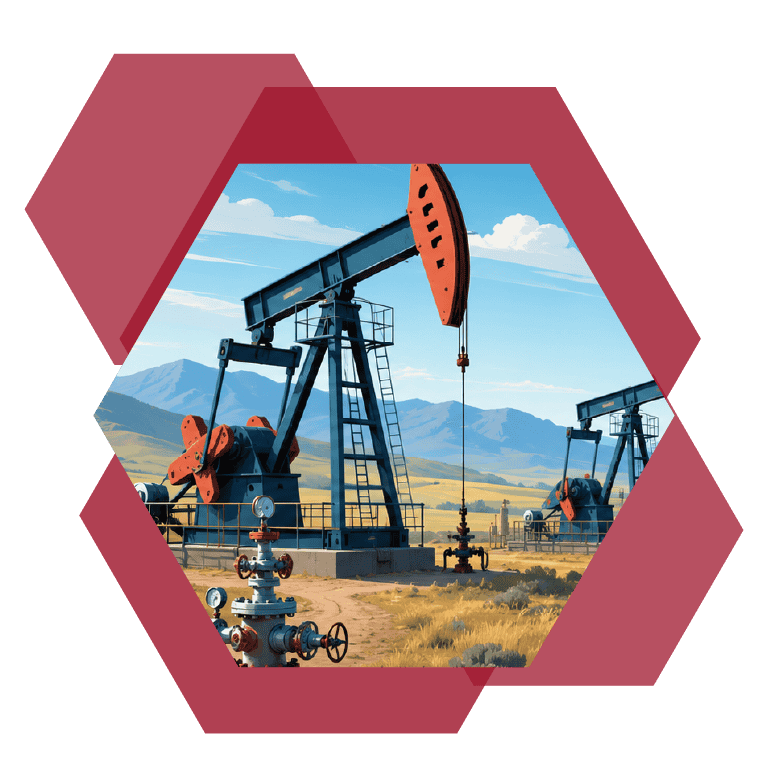
Similarly, upstream resilience is heavily dependent on production chemistry. Relying on static chemical dosing schedules often introduces unnecessary risk; either under-dosing, which leads to scaling and corrosive asset degradation, or over-dosing, which wastes expensive chemicals. By applying AI and advanced data analytics to laboratory data and production chemistry programs, operators can continuously adapt chemical dosing to actual, fluid field conditions. This data-driven precision protects physical assets from corrosion, extends equipment lifecycles, and maintains continuous flow assurance across the field network.
Midstream Infrastructure
Eliminating Vulnerabilities Across Complex Networks
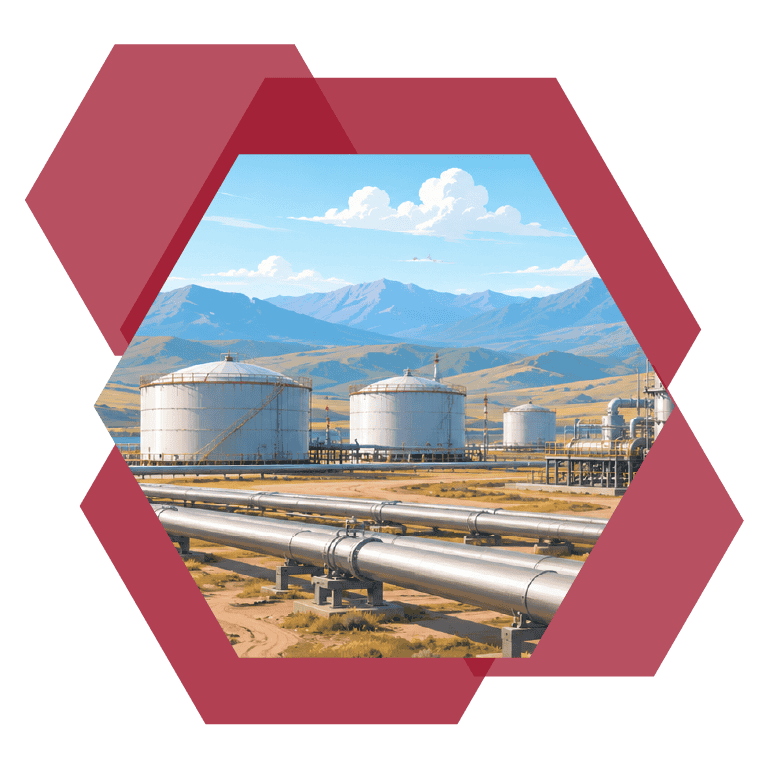
In the midstream sector, the network is the business. A single mechanical issue at a gathering hub or compressor station can trigger a massive backup, forcing upstream operators to shut in production or resort to emergency flaring. Achieving reliability and resilience across assets and networks within midstream logistics demands full operational visibility that bridges the gap between disparate software and field systems.
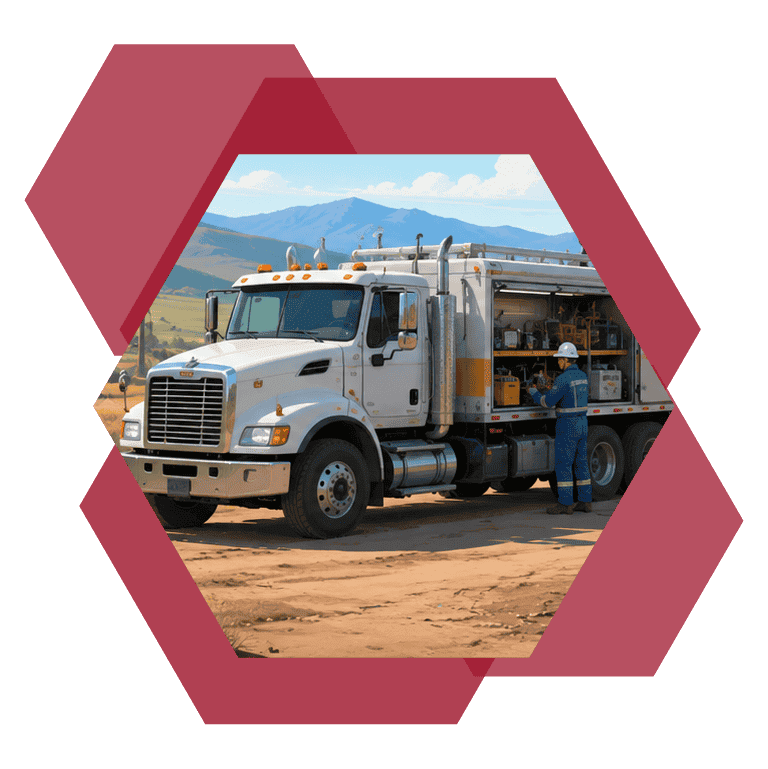
Historically, midstream companies have struggled with siloed data across SCADA networks, asset inspection records, and environmental tracking platforms. Unifying this operational and enterprise data onto a cohesive data fabric empowers operators to transition away from reactive, localized patches and toward holistic network optimization.
When scheduling, pipeline measurement, and asset integrity data flow seamlessly into centralized dashboards, logistics teams can simulate multivariate scenarios and spot hidden constraints before they impact pipeline throughput. If a processing plant or pipeline segment requires maintenance, the digital network automatically assists in re-routing flows, ensuring uninterrupted compliance and preserving commercial volume commitments.
For midstream companies, reliability and resilience across assets and networks is about creating a shared operational view. When teams can see what is happening across the network, they can respond faster, reduce avoidable interruptions, and make better decisions under pressure.
Oilfield Services
Synchronized Field Execution and Resource Optimization
Oilfield services (OFS) providers are the ultimate champions of field resilience. They are tasked with deploying heavy equipment, sophisticated tools, and specialized crews to highly dynamic environments where unexpected delays directly penalize project economics.
To remain highly competitive, forward-looking OFS providers are moving away from disconnected field ticketing and legacy scheduling tools, replacing them with centralized AI Field Operations Intelligence. By integrating work orders, telematics, asset maintenance records, and ERP data into a shared operating view, dispatchers and supervisors can optimize resource allocation based on real-time asset readiness and regional demand.
| Operational Focus Area | Target Resilient Metric | Business Value Outcome |
|---|---|---|
| Decision-Making Speed | Up to 50% Acceleration | Real-time conversational access to field logs cuts administrative lag. |
| Crew & Equipment Idle Time | Up to 25% Reduction | Proactive scheduling aligns tool readiness with clear field demand. |
| Asset Utilization ROI | Up to 35% Improvement | Maximizing existing equipment usage drives direct bottom-line profitability. |
This tightly integrated approach prevents crews from arriving at a pad with missing or uncertified tools, thereby eliminating costly rework and ensuring field execution remains safe, standard, and highly profitable.
Securing the Future of Energy Infrastructure
Building reliability and resilience across assets and networks is a proactive strategy for enterprise growth. By replacing disconnected systems and legacy practices with automated data governance, predictive analytics, and connected workflows, energy organizations can unlock hidden capacity from the investments they have already made. At Smartbridge, we help companies bridge the gap between complex field data and strategic execution. Cultivating a truly resilient digital foundation ensures that your infrastructure dynamically adapts to operational disruptions, protecting your margins, your people, and your competitive edge. If you’re looking to get started with your digital enablement journey but don’t know how to begin, book a chat with us and we’ll discuss what solution perfectly fits your needs.