

A few thoughts on McKinsey’s Technology Trends Outlook 2026
A quick share and practical take on McKinsey’s 2026 technology trends report, including agentic AI, enterprise AI adoption, data strategy, and legacy modernization.
The word “shift” is getting a workout in AI writing. Everything is shifting: how we work, how we build, how we think. McKinsey’s report even says AI is “shifting the sands beneath our feet.” At this rate, we’re all shifting so much we may need to schedule a shift change.
Jokes aside, I found a few points in the report that line up with what we see at Smartbridge as we help organizations think through AI adoption, data, and modernization.
More AI activity doesn’t always mean more business value
One report finding jumped out at me: a study found that AI tools increased coding activity by 180%, while shipped releases rose by 30%. The report also cites research where productivity fell in 30% of companies after teams adopted agentic AI tools.
Those numbers are a good reminder that more output isn’t the same as better results. AI can help people produce code, summaries, and analyses faster. The real question is whether that work helps the business deliver something useful, make a better decision, or improve a process. If we only measure how much activity AI creates, we can miss whether it made a difference.

AI adoption takes more than choosing a tool
The report points to the work around the technology: fitting AI into existing workflows, checking its output, setting clear boundaries, and helping people adapt. That’s especially relevant as companies explore agentic AI, where systems can take on more steps with less hands-on direction.
A pilot can show that a tool works. It can’t answer every question about how it will work day to day: Who reviews the result? What can the agent access or change? What happens when it gets something wrong? Those decisions shape whether AI becomes useful to a team or another disconnected tool to manage.
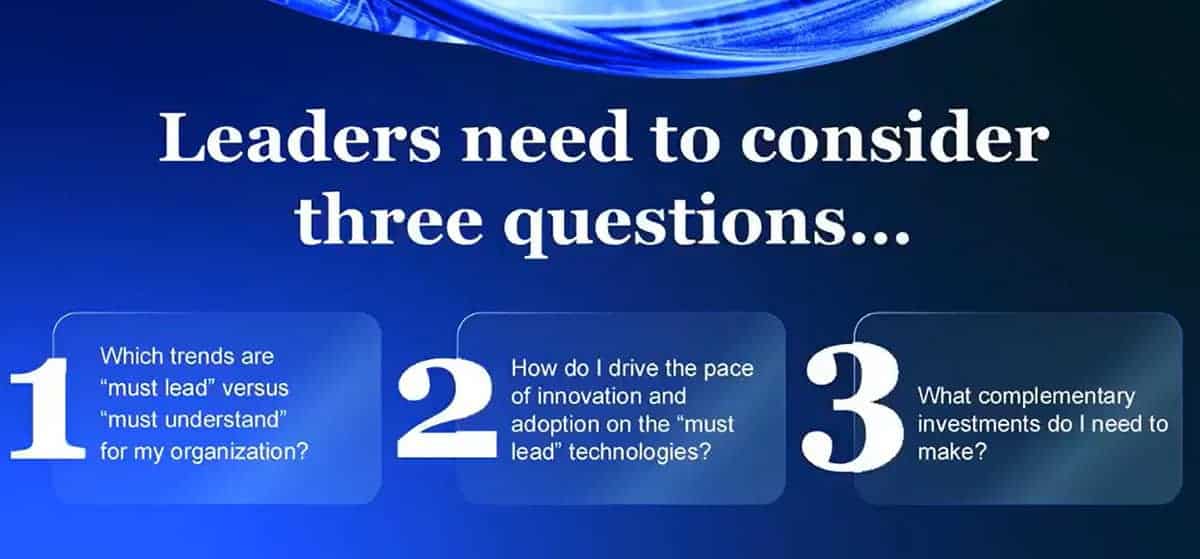
Slide from McKinsey & Company webinar, The technology shifts every business leader should be watching
Data and legacy systems still set the pace
The report also calls out legacy systems and fragmented environments as challenges to scaling AI. That matches what we see in client work. AI depends on access to useful, trustworthy information, and that information often sits across systems that weren’t designed to work together.
A strong data strategy, sound governance, and the right integration work may not be the flashiest parts of an AI story. They can determine whether an AI project moves beyond a demo and fits into real business operations. Modernization doesn’t always mean replacing everything; sometimes it means connecting systems, improving data quality, and making the right information easier to use.
My takeaway:
Don’t measure AI progress by how much activity it creates. Look at whether it helps people make better decisions, complete useful work, or improve a business process—and whether you can trust the result. Sorry, but I’ve gotta say it…. the technology will keep shifting. Your priorities should stay anchored in outcomes.